Italy in winter is a good fit for city breaks built around museums, long lunches and less frantic sightseeing. January and February can bring lower accommodation rates than peak season, but Christmas, New Year and Carnevale dates remain busy, especially in Venice, Rome and Florence. Rain is part of the deal in much of the country, while northern cities can be genuinely cold.
Explore the best cities in Italy for a winter break this year.
Choosing an Italian winter city break
Winter priority | Best Italian cities |
|---|---|
Milder weather | Palermo, Naples, Rome |
Museums and exhibitions | Rome, Florence, Milan, Turin |
Christmas traditions | Naples, Turin, Bologna |
Food-focused weekend | Bologna, Naples, Turin, Palermo |
Lower visitor numbers | Turin, Genoa, Bologna, Palermo |
Straightforward train travel | Milan, Bologna, Florence, Rome |
Northern Italy: Turin, Venice, Milan and Genoa
Northern Italy is best for culture-led weekends, Christmas markets, seasonal food and grand cafés. Pack a proper coat, waterproof shoes and layers for museum days, long dinners and evening walks under the lights.
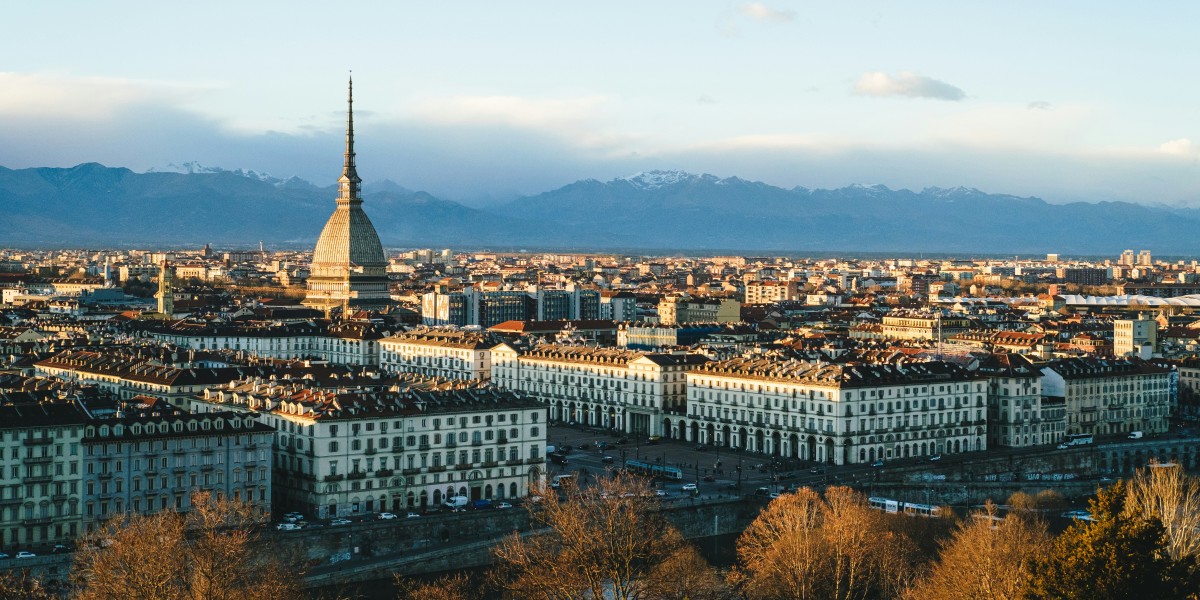
Turin in winter
Turin suits a winter break centred on museums, cafés and Piedmontese cooking. Long arcades make rainy days manageable, and the city’s stately streets feel less crowded than Milan or Florence.
The Museo Egizio, Musei Reali and MAUTO can comfortably fill a weekend. Historic cafés are part of the appeal too, particularly for bicerin, a hot drink made with coffee, chocolate and cream, plus local gianduiotto chocolates.
Venice in winter
Venice in winter is quieter than the summer months, but it is not empty. Christmas, New Year and the build-up to Carnevale draw plenty of visitors, so mid-January is usually a calmer time for a short stay. Plus, you can skip the popular Venice activities and opt for smarter alternatives.
The Doge’s Palace, Gallerie dell’Accademia and the Peggy Guggenheim Collection are easier to appreciate without summer heat. In Castello, Scuola Dalmata dei Santi Giorgio e Trifone is a rewarding stop for Carpaccio paintings, while cicchetti bars provide a practical lunch between walks. Non-touristy things in Venice are worth exploring to avoid any crowds that still linger.
Milan in winter
Milan works well for a winter weekend of design, fashion, opera and exhibitions. The pace feels urban and purposeful, and covered passages make bad-weather sightseeing less of a faff.
The ADI Design Museum, Fondazione Prada and Pinacoteca di Brera are reliable choices, while performances at Teatro alla Scala add a proper evening out. The Galleria Vittorio Emanuele II is useful for crossing the centre under cover rather than a reason to linger for hours.
Expect grey skies and damp cold. Milan is also one of Italy’s best-connected cities for rail day trips, including Bergamo and Turin.
Genoa in winter
Genoa is a good alternative to Italy’s more obvious winter city breaks. Its historic centre is dense with caruggi, the narrow lanes that lead towards grand palaces, small bars and old workshops.
The Palazzi dei Rolli, Galata Museo del Mare and the Aquarium of Genoa give rainy days some structure. On a dry afternoon, the fishing district of Boccadasse makes an easy coastal walk, while Mercato Orientale is a sensible stop for focaccia and farinata.
Central Italy: Bologna, Florence and Rome
Central Italy brings major art collections, historic centres and strong rail connections. Winter often means shorter museum queues, although Florence and Rome remain popular throughout the year.
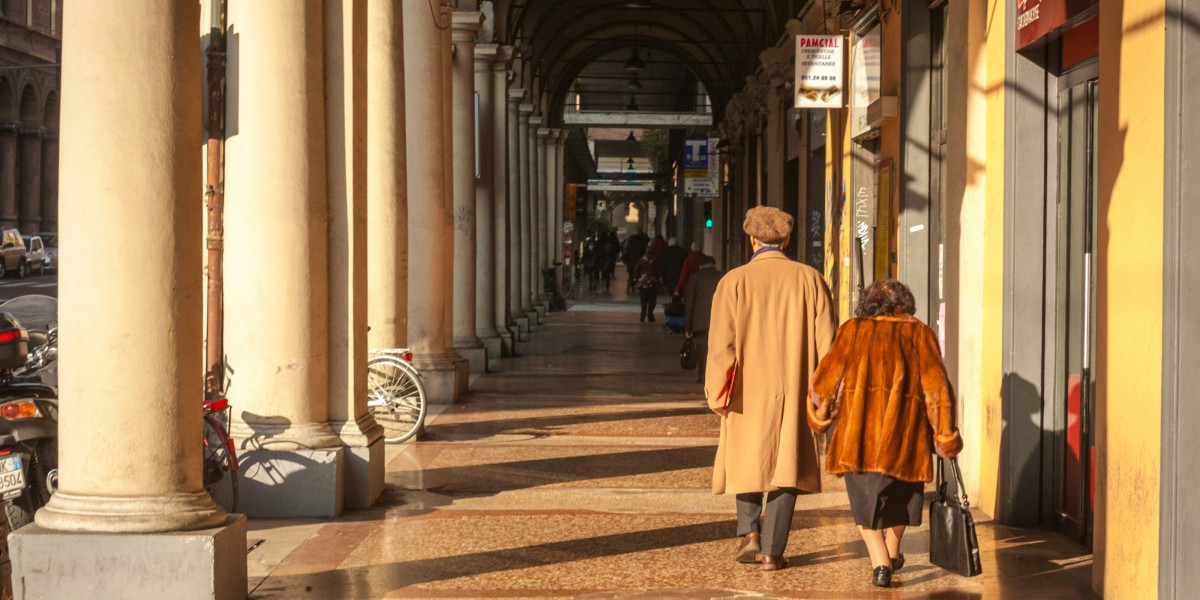
Bologna in winter
Bologna makes a strong case for a food-led winter city break. Its famous porticoes provide shelter during wet weather, and the compact centre is easy to explore on foot.
Spend time around the Quadrilatero market area, visit MAMbo for contemporary art, and catch a concert or performance at Teatro Comunale di Bologna if the programme lines up. Local dishes suit cold weather well, including tagliatelle al ragù, tortellini in brodo and warm crescenta filled with mortadella.
The city has a big student population, so it remains active outside the main holiday periods. Book popular restaurants at weekends, particularly around Piazza Maggiore.
Florence in winter
Florence is more manageable in winter than during the hotter months, though it rarely feels quiet. The main museums still need advance planning around weekends, school holidays and the Christmas period.
The Uffizi, Galleria dell’Accademia and Palazzo Pitti are obvious priorities, with the Oltrarno useful for a slower afternoon among artisan workshops, food shops and smaller galleries. A bowl of ribollita or pappa al pomodoro is just the thing after a damp walk along the Arno.
Rome in winter
Rome is one of the best Italian cities to visit in winter for a first-time trip. Temperatures are generally milder than in northern Italy, and lower-season days make the Forum, Palatine Hill and central piazzas less tiring.
The Capitoline Museums, Palazzo Altemps and Galleria Borghese are particularly good on wet days. In the evening, Monti and the streets around the Spanish Steps are better suited to a slow wander, an aperitivo and dinner than an over-packed itinerary.
Rain can be heavy, and Rome’s major attractions and even lesser-known ones are never completely crowd-free. Booking timed-entry museums remains wise, particularly at the Vatican Museums and Galleria Borghese.
Southern Italy and Sicily: Naples and Palermo
Southern Italy is the better bet for winter light and milder daytime temperatures. Sea swimming is not generally on the cards, but city streets, waterfronts and markets remain active well beyond summer.
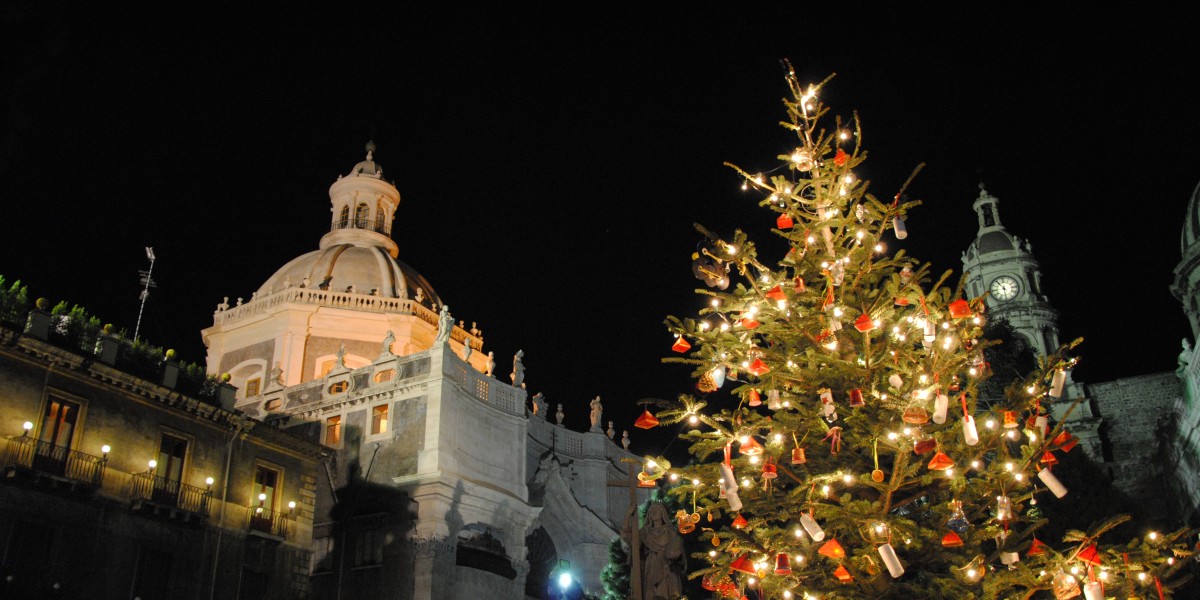
Naples in winter
Naples is particularly good in December, when the workshops of Via San Gregorio Armeno fill with handmade presepi, traditional nativity scenes. The city also works brilliantly after the festive period, with archaeology, street food and dense historic streets keeping a short break full without much planning.
The National Archaeological Museum, Cappella Sansevero and the underground routes of Napoli Sotterranea work well when the weather turns. Food is never far away, with sfogliatella, fried cuoppo and pizza a portafoglio all easy to pick up between sights.
Palermo in winter
Palermo is one of the mildest city-break options in Italy during winter. Days can still be wet and windy, but there is often enough sun for walks along the Foro Italico or a slow afternoon in the old centre.
The Arab-Norman sites are the main cultural draw, especially the Palatine Chapel inside Palazzo dei Normanni and the mosaics at Monreale. Teatro Massimo and the food markets around Ballarò also help fill a long weekend, with arancine, panelle and pani câ meusa offering a more local snack route.
Stay inspired for your travels in Italy —get our weekly newsletter for the latest travel, legal, and lifestyle news.
For a taste of the high life, sign up for the monthly luxury market round-up.