Italy’s coast doesn't close for winter, but it does slow down. Ferries may be cancelled in rough seas, coastal paths can close after heavy rain, and many seasonal businesses take their annual break. The upside is a more everyday version of places that can feel overwhelmed in July and August.
Winter on the Italian coast suits travellers happy with long lunches, coastal walks on dry days and flexible plans.
- Italy’s coast in winter
- Cinque Terre in winter: quieter village lanes and stormy sea views
- Amalfi Coast in winter: a slower, more weather-dependent trip
- Salerno in winter: the sensible base for the Amalfi Coast
- Genoa in winter: museums, markets and a working port
- Sorrento in winter: a practical base near Naples and Pompeii
Italy’s coast in winter
Place | Best for | Winter reality |
|---|---|---|
Cinque Terre | Quiet village walks and dramatic sea views | Seasonal closures, rain and trail restrictions are common |
La Spezia | A practical base for the Cinque Terre | More functional than romantic, but well connected by rail |
Porto Venere | A quieter Ligurian detour | Better on dry days; boat services can be limited |
Amalfi Coast | Cliffside towns and slower sightseeing | Reduced ferries, variable bus journeys and winter closures |
Salerno | Transport links and festive lights | A practical city base rather than a resort escape |
Genoa | Museums, food and a proper working port city | Rainy weather is likely, but there is plenty indoors |
Sorrento | Access to Naples, Pompeii and the peninsula | Less isolated than Positano and easier without a car |
Cinque Terre in winter: quieter village lanes and stormy sea views
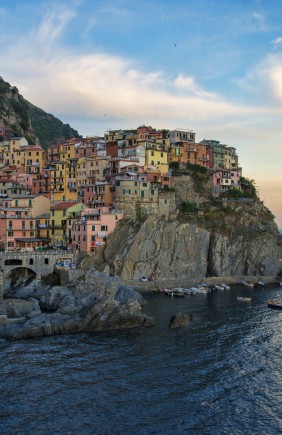
The five villages of the Cinque Terre look markedly different once summer crowds leave. They are still photogenic, but the atmosphere is more low-key. Fishing boats sit in small harbours, washing flaps on terraces, and residents reclaim streets that are often packed during the warmer months.
Winter weather can be dramatic. A clear day brings good views along the Ligurian coast, while storms can make the sea feel wild and leave footpaths muddy or closed. This is not the season for building a rigid hiking itinerary around famous routes.

The Cinque Terre Express is usually the most dependable way to move between villages, although rail disruption can happen during severe weather. Travelling by train also avoids the awkwardness of driving and parking in villages where space is scarce at any time of year.
Local food is one of the best reasons to visit. Look out for focaccia, trofie al pesto, anchovies and seasonal seafood. Smaller restaurants can close on weekdays in low season, particularly after the Christmas period, so it is worth checking opening times before making the journey.
La Spezia: the practical base for the Cinque Terre
La Spezia is not as picture-postcard as the five villages, but it makes a lot of sense in winter. It has more year-round accommodation, supermarkets, restaurants and train connections, while La Spezia Centrale puts the Cinque Terre within easy reach.
When rain rules out village-hopping, there are still a few worthwhile indoor stops. Castello San Giorgio has archaeological collections and views across the city, while the Museo Tecnico Navale gives context to La Spezia’s naval history.
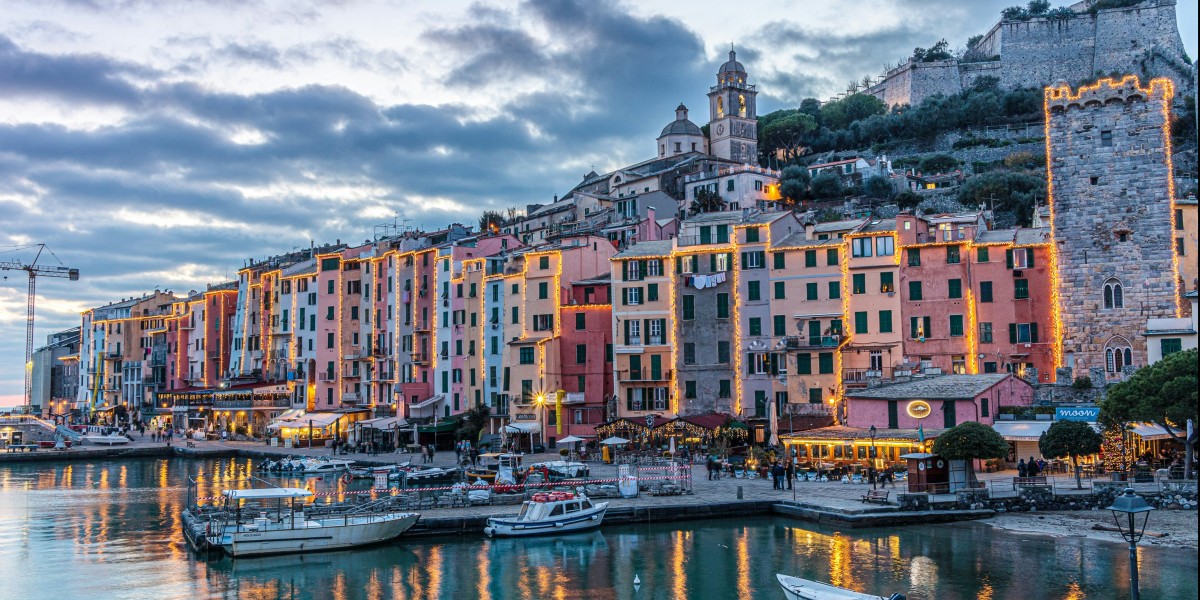
Porto Venere: an easier-going Ligurian alternative
Porto Venere sits just south of La Spezia and has the same rocky Ligurian setting without the five-village itinerary. Its colourful waterfront, Doria Castle and the Church of St Peter make it a strong stop on a dry day.
The town is compact enough for a few unhurried hours, especially with lunch by the harbour. Winter is not the time to rely on boat links or build plans around the islands nearby, as sea conditions can change quickly.
Amalfi Coast in winter: a slower, more weather-dependent trip
The Amalfi Coast in winter is not a version of the summer holiday with fewer people. Positano, Amalfi and Ravello remain striking places to see, but the practical side is different. Many hotels, beach clubs, restaurants and shops close for part of the season, while ferry schedules are reduced or suspended.
The coastline works best for travellers who are comfortable moving at a slower pace. A dry day can be spent wandering Amalfi’s lanes, visiting Duomo di Amalfi, or climbing through Ravello’s gardens and old streets.
Road travel can be tiring. Buses still connect the main towns, but services may be busy, and journeys take longer than maps suggest.
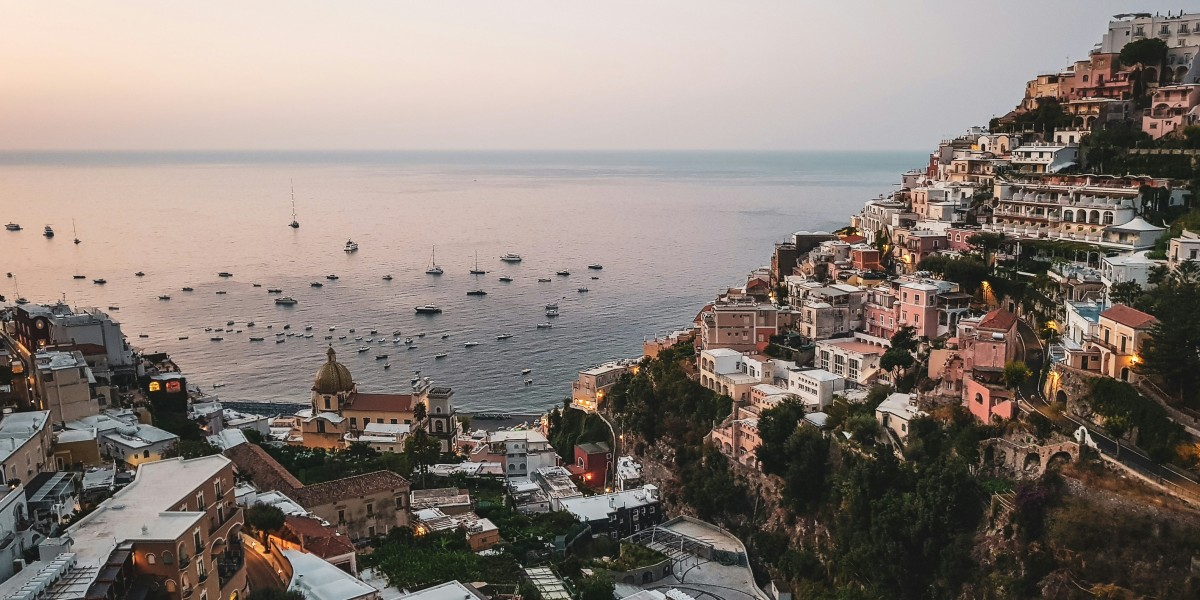
The reality of Positano in winter
Positano remains one of Italy’s most recognisable coastal towns, but winter exposes its dependence on seasonal travel. Some places stay open, though the town can feel very quiet, steep and inconvenient after dark.
It is better suited to a short stop during a dry-weather trip than a base for several days. Accommodation choices can also be fewer, even if rates are lower than in the summer months.
Ravello and Amalfi on clear days
Ravello feels peaceful in winter, particularly when the gardens and terraces are open, and the weather holds. Villa Rufolo and Villa Cimbrone are the main reasons to make the uphill journey, though views depend entirely on cloud cover.
Amalfi has more everyday infrastructure than Positano, with cafés, shops and bus connections. The town is a practical daytime stop, but it is still worth checking which restaurants, museums and hotels are operating before booking nearby accommodation.
Winter daylight is short, so travelling between towns, visiting a landmark and returning before dark can take up more time than expected.
Salerno in winter: the sensible base for the Amalfi Coast
Salerno is the practical answer to visiting the Amalfi Coast in winter. It has train connections, a sizeable historic centre, a seafront promenade and more reliable year-round services than the smaller resort towns along the peninsula.
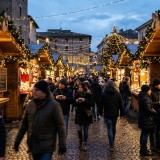
The city is especially relevant around Christmas and early January, when Luci d’Artista transforms streets, squares and the waterfront with large-scale light installations. Dates, routes and installations change each year, so current details need checking before travel.

Away from the lights, Salerno has enough for a long weekend. Duomo di Salerno is worth a look, the medieval lanes around the old town are good for an evening wander, and Vietri sul Mare is an easy bus journey for ceramics and sea views.
Salerno also makes rail day trips realistic. Paestum, with its Greek temples, is a strong option when coastal weather is poor, while Naples and Pompeii are within reach for travellers wanting to broaden the trip.
Genoa in winter: museums, markets and a working port
Genoa in winter works because it is not reliant on beach weather or seasonal sightseeing. This is a proper port city with a large old town, serious museums, busy food markets and enough covered or indoor attractions to deal with a rainy day.
The Palazzi dei Rolli are the cultural centrepiece. Several of these historic palaces are open as museums, including Palazzo Rosso, Palazzo Bianco and Palazzo Tursi on Via Garibaldi. The Galata Museo del Mare and the Aquarium of Genoa are good back-up plans when rain sets in.
Food is another strong point. Grab a slice of warm focaccia for breakfast, try farinata made with chickpea flour, and make time for the stalls at Mercato Orientale.
Boccadasse and Nervi when the sky clears
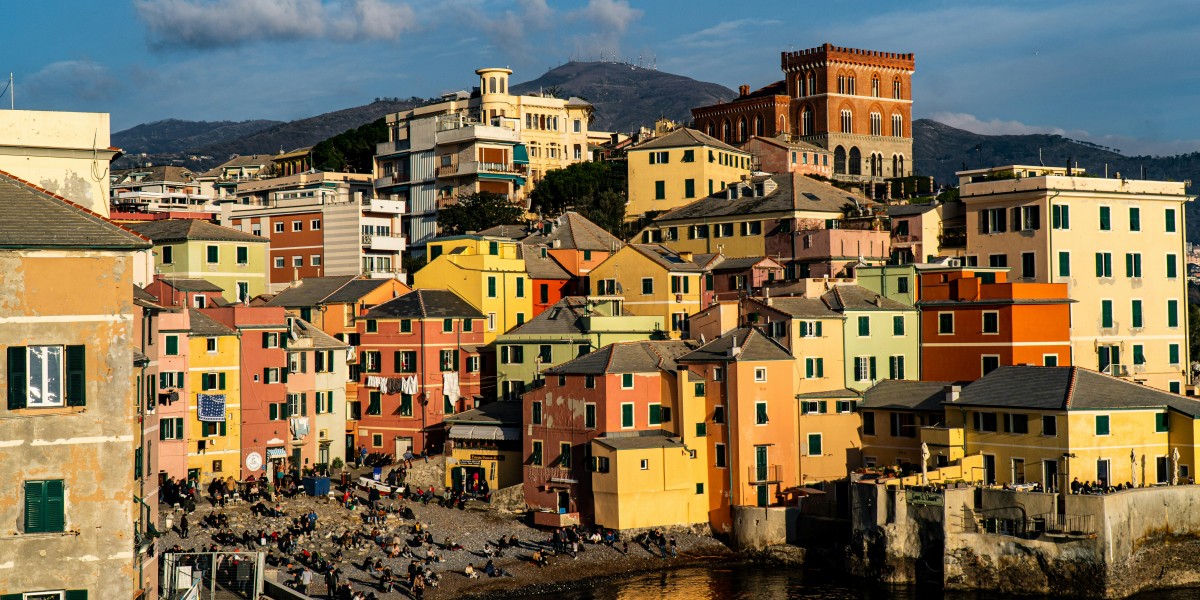
Boccadasse is a former fishing village on Genoa’s eastern side, with pastel houses around a tiny harbour.
Further east, Nervi has parks and a seaside promenade with open views of the Ligurian coast.
Sorrento in winter: a practical base near Naples and Pompeii
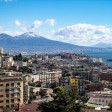
Sorrento is more useful in winter than some of the Amalfi Coast’s smaller towns because it stays connected to Naples and the archaeological sites around Vesuvius. The town is not on the Amalfi Coast itself, but it is well placed for the Sorrentine Peninsula and has more year-round services than Positano or Ravello.
A winter stay here can include Pompeii, Herculaneum, Naples and, when weather permits, a day trip towards Amalfi or Ravello. The views over the Bay of Naples still do the job on clear days, even if swimming and boat trips are firmly off the agenda.
Stay inspired for your travels in Italy —get our weekly newsletter for the latest travel, legal, and lifestyle news.