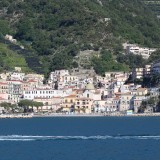
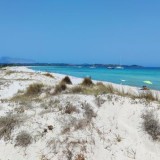
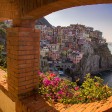
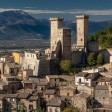
Abruzzo is one of those Italian regions that rewards a bit of patience. The coast, mountain parks and historic towns are close enough to combine in one trip, yet each has its own pace, cooking and seasonal routine.
The best things to do in Abruzzo often sit outside the obvious sights: a Saturday market, a small-town procession, or a quiet walk where the Apennines take over the horizon.
Things to do in Abruzzo’s coast, mountains and historic towns
Abruzzo stretches from the Adriatic Sea into the central Apennines, so it is possible to spend the morning by the water and be in a hill town or mountain valley later the same day.
The region’s national parks, coastal paths and historic centres are working landscapes and communities, shaped by farming, fishing, religious calendars and long-standing local habits.
Abruzzo’s national parks and mountain areas
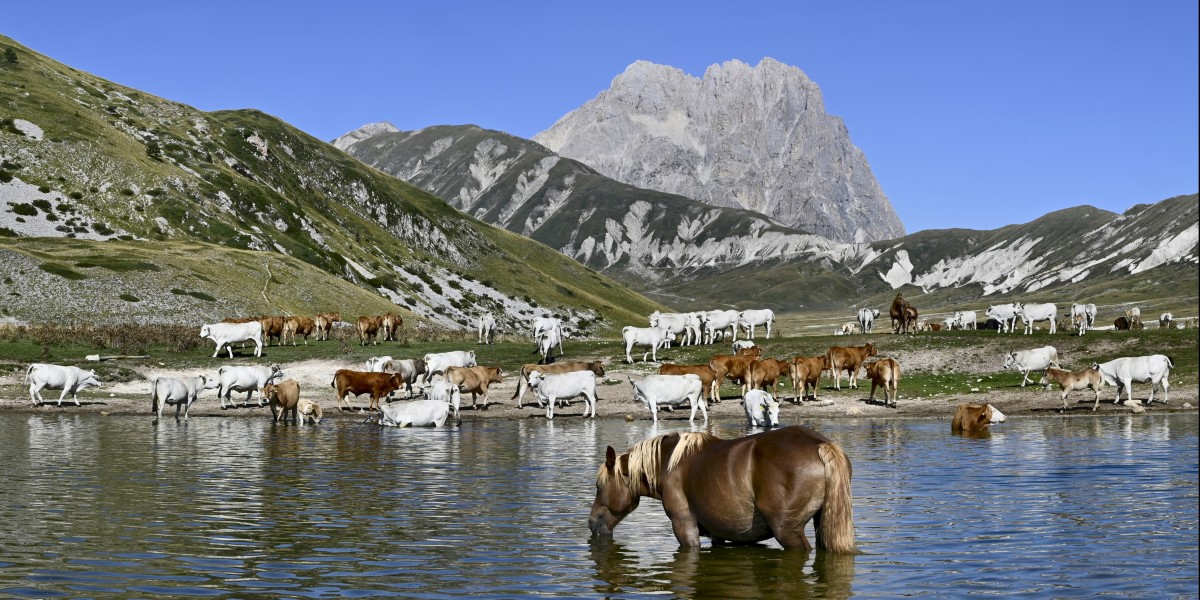
The Abruzzo mountainside is where the region feels most untamed. Three major protected areas cover forests, high plateaus, limestone slopes and small villages.
Gran Sasso and Monti della Laga National Park has some of the region’s biggest mountain scenery, including the Gran Sasso massif and the wide Campo Imperatore plateau. It suits walkers, road trippers and anyone after high-altitude views, but the weather can turn quickly.
Majella National Park has a more rugged, contemplative feel. Its trails pass through limestone landscapes, woodland and former hermitages associated with religious retreat.
Abruzzo, Lazio and Molise National Park is best approached with realistic expectations around wildlife. It is associated with species such as the Marsican brown bear, Apennine wolf and chamois, but sightings are never guaranteed and should not be chased.
The Adriatic coast and Trabocchi Coast
Abruzzo’s coast has two quite different moods.
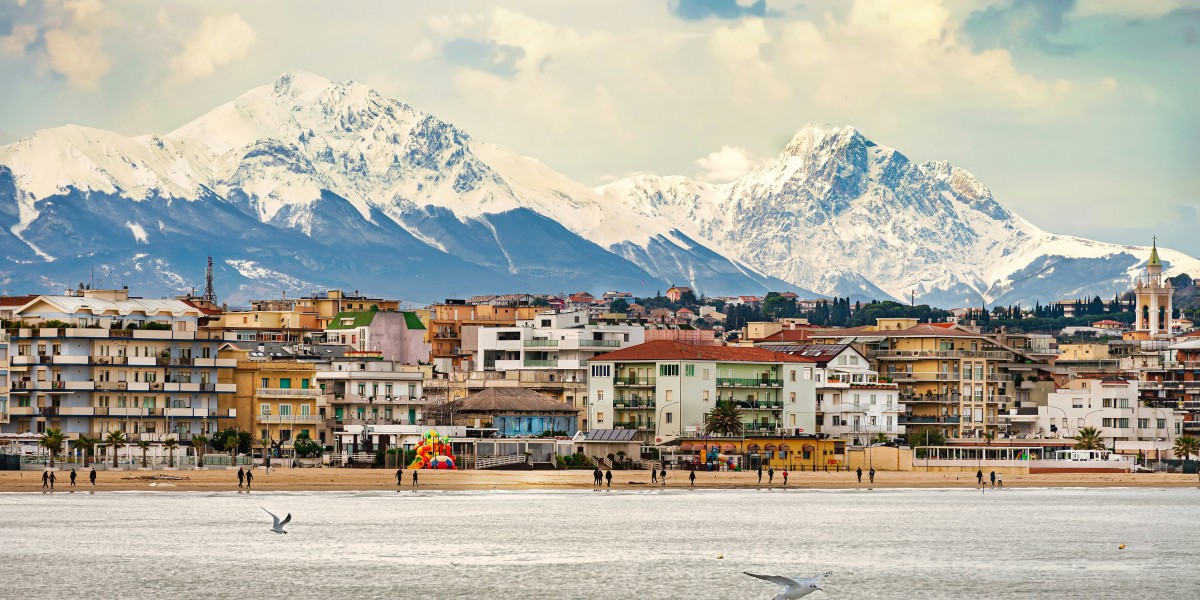
- Around Pescara and the northern stretches, the shoreline is more urban and resort-led, with broad beaches and long promenades.
- Further south, the Trabocchi Coast becomes more dramatic, with coves, headlands and trabocchi — wooden fishing platforms built on stilts over the water.
The former railway line along parts of this coast has been adapted into a walking and cycling route, making it possible to take in the sea without spending the day in the car.
Historic towns and villages in Abruzzo

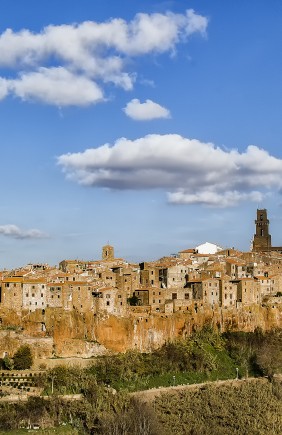
Abruzzo’s town centres are often built on slopes, and the loveliest streets are not always the easiest to navigate. Expect stairs, cobbles, narrow lanes and restricted driving zones around historic centres.
The appeal is not just architectural. These are places where markets, school runs, evening passeggiata strolls and local events still shape the rhythm of the streets.
L’Aquila, Sulmona and mountain villages
Crowned Italy's Capital of Culture in 2026, L’Aquila is Abruzzo’s regional capital and university city, with a historic centre that has been steadily rebuilt following the 2009 earthquake. Its churches, squares and cultural spaces sit alongside student life, public institutions and a mountain climate.
Sulmona, set in a valley below the Majella massif, is closely associated with confetti: sugared almonds arranged in colourful flower-like displays.
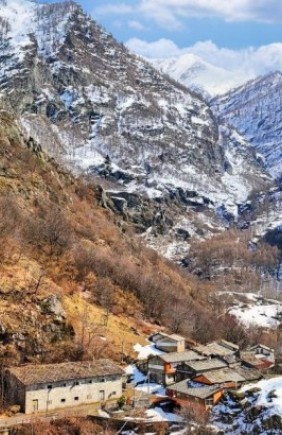
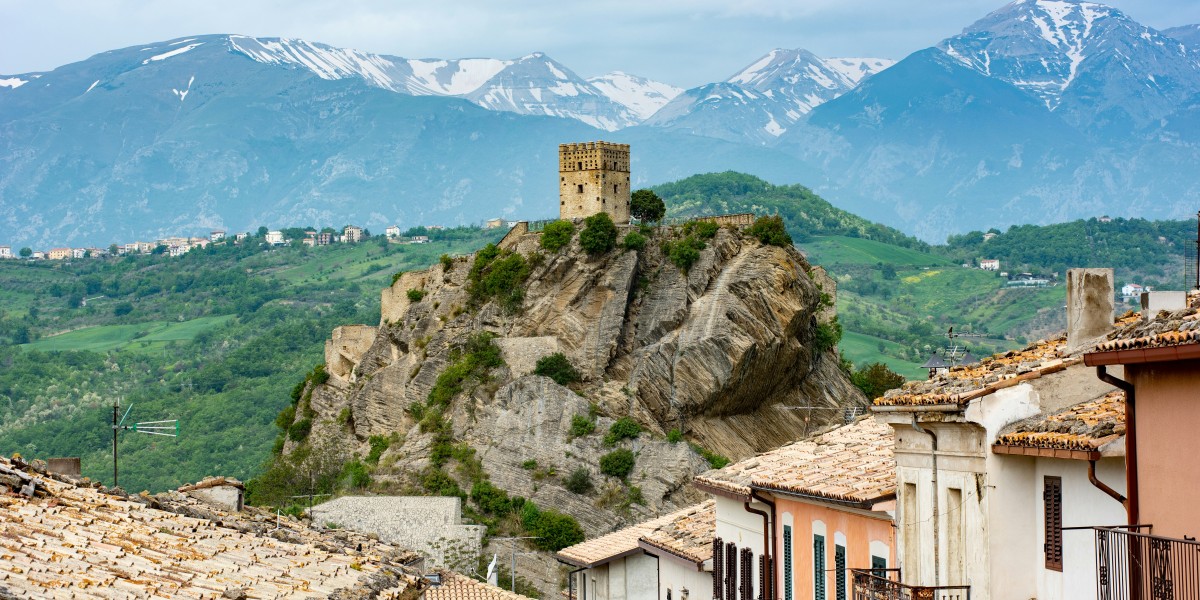
Mountain villages such as Scanno and Pescocostanzo are popular for their stone buildings, craft traditions and cooler summer temperatures.
Abruzzo food markets and local shopping
Food markets are one of the easiest ways to get a feel for ordinary life in Abruzzo. The best ones are not necessarily designed for visitors. Market days vary by comune, meaning municipality, and can change around public holidays or local events.
What to buy at food markets in Abruzzo
Seasonal produce is the obvious starting point, particularly tomatoes, greens, beans, cherries, figs and autumn mushrooms when they are available.
Common regional products include:
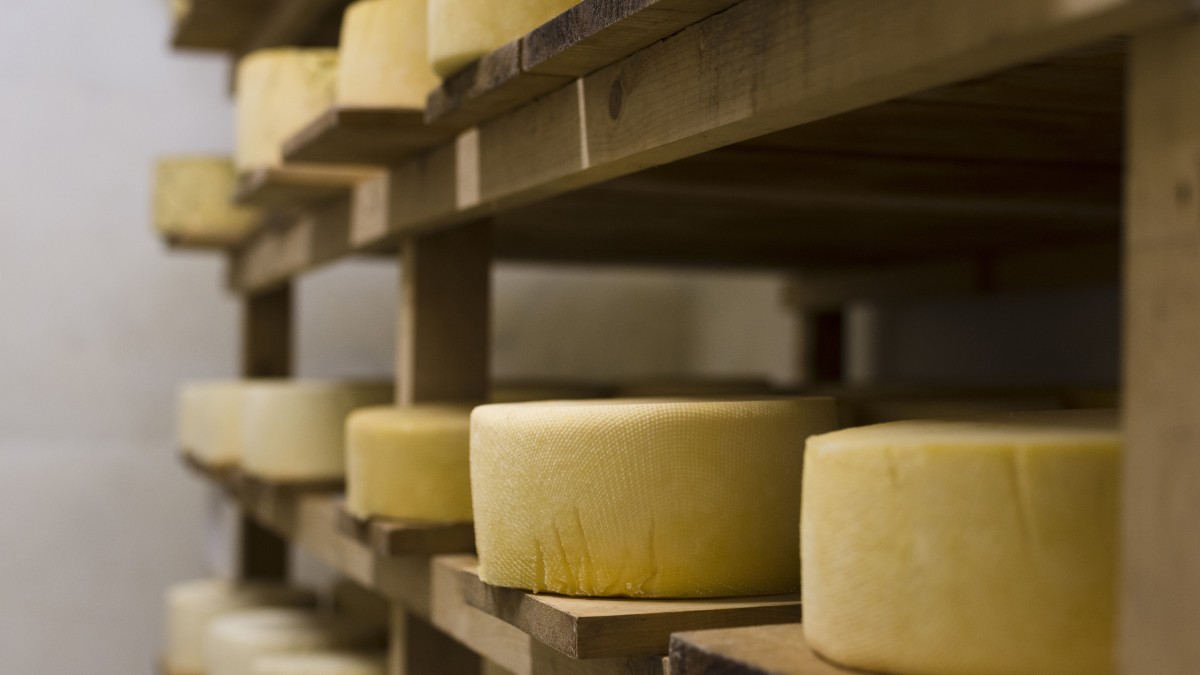
- pecorino, sheep’s-milk cheese with versions that vary across the region
- saffron from the Navelli plateau, a prized local product used sparingly in cooking
- olive oil from Abruzzo’s hill country
- cured meats and sausages
- local honey, preserves and seasonal vegetables
- Montepulciano d’Abruzzo wine
Abruzzo food and wine traditions
Abruzzo’s cooking is shaped by geography. Inland areas have strong pastoral traditions, with lamb, sheep’s cheese, pulses and handmade pasta appearing regularly. Coastal cooking leans more towards fish and seafood.
Traditional food in Abruzzo
Arosticini are the region’s best-known snack: small grilled skewers of sheep meat, often cooked over a long, narrow charcoal grill.
Maccheroni alla chitarra is fresh pasta cut using a wooden frame strung with wires, known as a chitarra because it resembles a guitar.
Other dishes worth looking out for include:
- scrippelle, thin savoury crêpes associated with the Teramo area
- virtù teramane, a substantial spring dish with pulses, vegetables and pasta
Festivals and traditions in Abruzzo
Abruzzo’s festival calendar includes religious processions, historical commemorations, harvest events and sagre. Dates can shift every year, and smaller events may be announced only through municipal pages, posters or local social media.
Religious celebrations and Holy Week traditions
Holy Week and other religious dates are marked in different ways across Abruzzo, often through processions, music and church services.
Food festivals and seasonal sagre
A sagra, or local food festival, is usually centred on one ingredient, dish or seasonal harvest. It might celebrate pasta, wine, chestnuts, olives, lamb or a local sweet, with communal tables and volunteers serving food late into the evening.
Cultural life for new residents in Abruzzo
For people living in Abruzzo rather than passing through, culture tends to become part of regular routine. A language exchange, local concert, sports club, ceramics class or volunteer group can do more for settling in than racing through a list of attractions.
Smaller towns often have associations focused on music, walking, heritage or food. Joining in takes patience, particularly with Italian, but it is one of the more natural ways to meet people outside the expat circuit.
Stay inspired for your travels in Italy —get our weekly newsletter for the latest travel, legal, and lifestyle news.