Halloween may be increasingly visible in Italian shops, schools and city nightlife, but the country’s most meaningful dates at the start of November fall just afterwards.
All Saints’ Day, or Ognissanti, is celebrated on 1 November, followed by All Souls’ Day on 2 November, known as the Commemorazione dei Defunti or, more informally, Giorno dei Morti.
The key dates: Halloween, Ognissanti and All Souls’ Day
- 31 October: Halloween, a modern and increasingly popular celebration in Italy, particularly among children, students and nightlife venues.
- 1 November: Ognissanti or All Saints’ Day, a national public holiday.
- 2 November: All Souls’ Day, dedicated to remembering the dead. It is widely observed but is not a nationwide public holiday.
The difference matters. Halloween is generally playful and commercial; 1 and 2 November are more reflective, rooted in family, faith and remembrance.
Is All Saints’ Day a public holiday in Italy?
Yes. 1 November is a national public holiday in Italy, so schools, public offices, banks and many businesses close. If it falls close to a weekend, many Italians take a ponte—a “bridge” day—to create a longer break.
How Italians mark 1 and 2 November
The most familiar sight in the days around Ognissanti is a stream of people carrying flowers into the cemetery. Families may clean a loved one’s grave, replace old flowers, light candles and spend time together in remembrance.
For practising Catholics, Mass and prayers for the dead are central to the period. But the habit of visiting family graves reaches well beyond regular churchgoers. It is a deeply established social custom: a moment of continuity between generations, often carried out quietly and without ceremony.
Why chrysanthemums fill Italian flower stalls
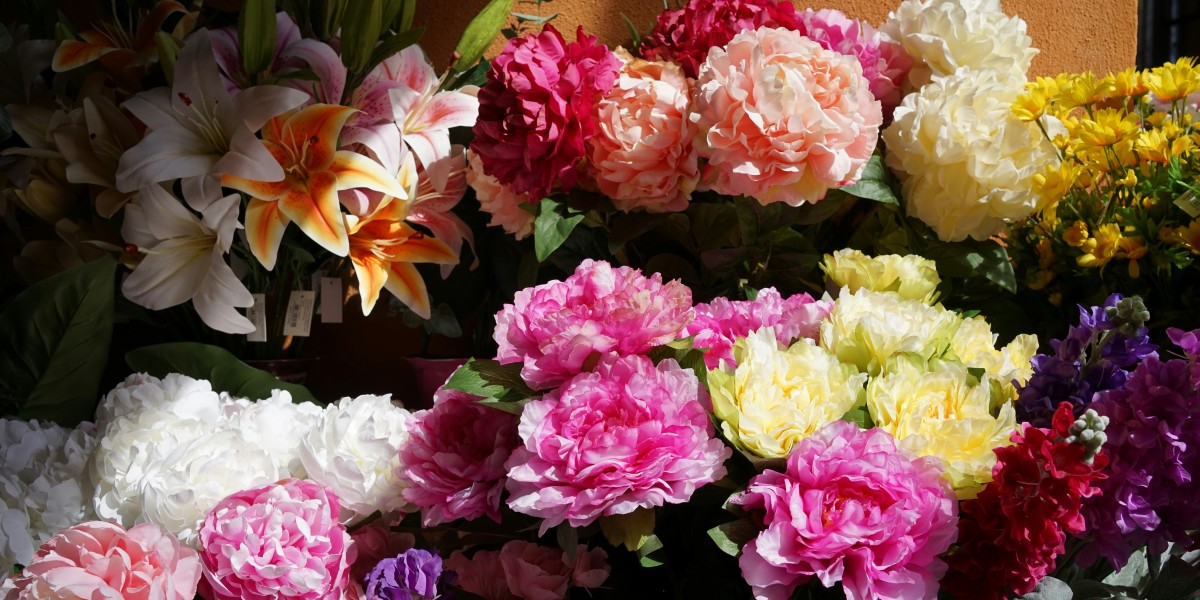
In many countries, chrysanthemums suggest autumn. In Italy, crisantemi have a much more specific association: they are traditionally linked to mourning and are commonly brought to cemeteries for All Saints’ Day and All Souls’ Day.
That is why florists and market stalls overflow with pots of white, yellow and bronze chrysanthemums at the end of October. They are strikingly beautiful, but not usually an appropriate choice for a casual dinner-party bouquet in Italy.
Regional customs and seasonal food
Italy’s remembrance traditions are not identical from one region to the next. Alongside cemetery visits, some places mark the season through distinctive foods and small local customs.
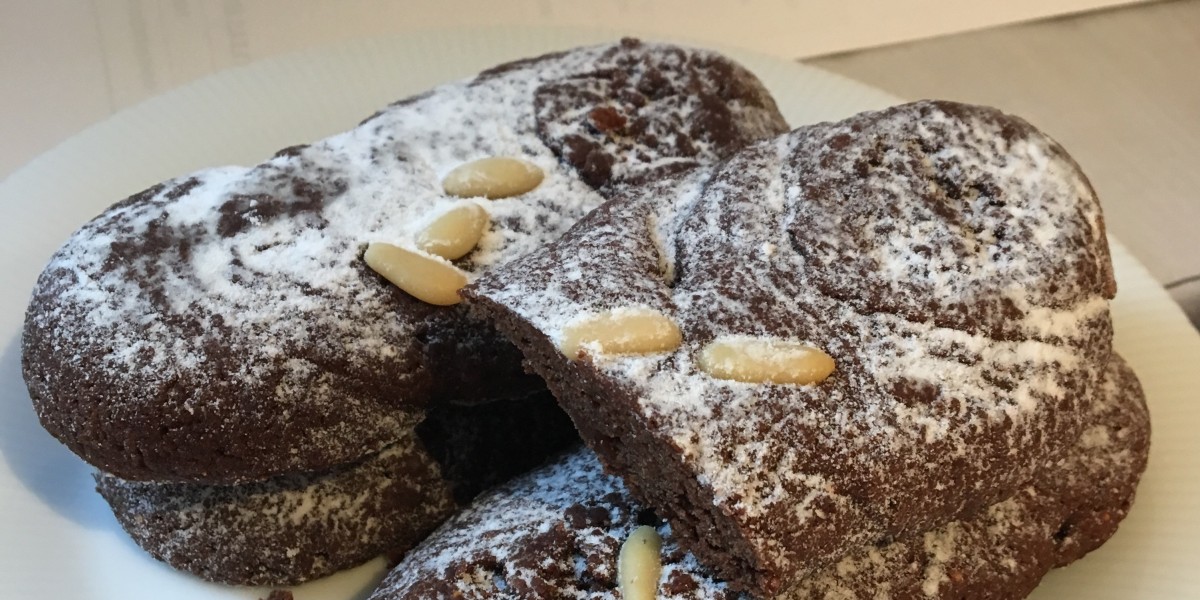
- In Sicily, the Festa dei Morti is associated with sweets and gifts for children, traditionally said to have been brought by deceased relatives.
- In Lombardy, bakeries may sell pane dei morti—rich, dark biscuits made with ingredients such as cocoa, spices and crushed biscuits.
Elsewhere, you may spot fave dei morti, small almond biscuits whose name refers to the ancient symbolic link between broad beans and the dead.
These traditions are best discovered locally: in a neighbourhood bakery, market or family-run pasticceria, rather than through a one-size-fits-all souvenir display.
What visitors and foreign residents should expect
If you are in Italy on 1 November:
- Book major attractions and trains ahead, especially if the date creates a long weekend.
- Check opening times individually. A national holiday does not mean every museum, restaurant or shop will close, but it should never be assumed that normal hours apply.
- Expect cemetery areas to be busy, particularly on 1 and 2 November.
- Look out for local food traditions in bakeries and markets; they offer a more authentic seasonal experience than generic Halloween displays.
- Be mindful of the mood. While some cities will have Halloween parties and family events, the following days carry a more solemn cultural significance.
Halloween versus Italy’s traditional November commemorations

Halloween has found its place in contemporary Italy, especially in larger cities and among younger people. There are lots of things to do for Halloween in Italy, yet Ognissanti and the Commemorazione dei Defunti remain the more deeply rooted dates.
If Halloween is Italy’s increasingly international autumn party, 1 and 2 November are its quieter days of memory: flowers at the cemetery, family visits, church bells and regional sweets with stories behind them.
Stay in the know about living in Italy as a foreigner—get our weekly newsletter for the latest travel, legal, and lifestyle news.