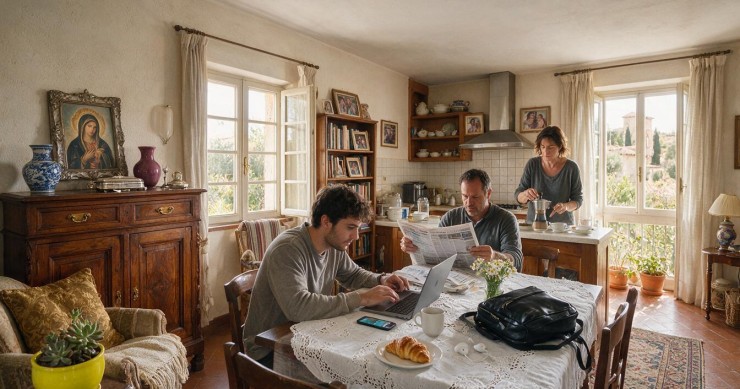
Over the past twenty-five years, the most inevitable item in the family budget has been the fastest-growing: housing and utilities have increased in cost by up to 120% since 2000. This is the stark picture emerging from ISTAT data collected in "Storie di dati" (Data Stories) and reviewed by Codacons, with a compelling message: rising prices have hit hardest what can't be cut. Average spending rose 63% between 2000 and 2025, but behind the average lie much larger increases in housing, bills, and groceries.
Living with other people works best when there are a few clear rules, agreed together and put in writing. A cleaning rota, transparent shared costs, respect for personal space and quiet hours are the foundations of a harmonious shared home. Living with friends, strangers or fellow students involves a mix of contractual obligations and common sense. These are the main housemate rules to keep in mind.
Two-story buildings with a single unit are the most common configuration across all Italian climate zones. However, the characteristics of these buildings vary significantly depending on the region. This is the finding of an ENEA study, published in the scientific journal Energy and Buildings, which introduces the concept of "Reference Buildings," representative models of the national building stock that can be used for energy simulations and to plan energy efficiency interventions.
Over time, the Italian home has not changed shape by chance. Homes built during the economic boom years, for instance, were designed for often larger families. Today, they need to adapt to smaller households, people living alone, couples without children and new ways of working.
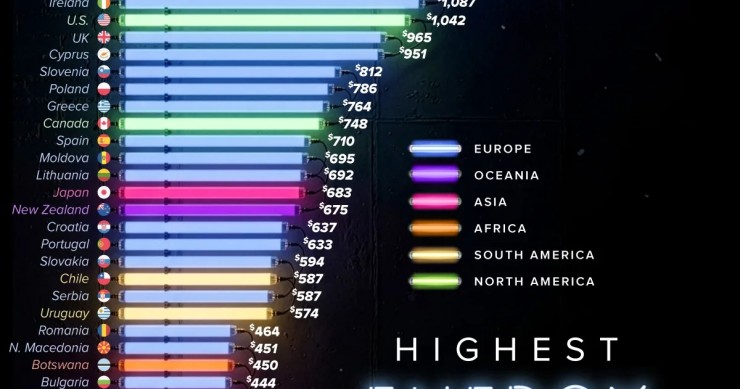
According to the International Energy Agency’s Household Energy Spending Index, Sweden has the highest household energy expenditure in the world, at $1,926 per person in 2025. Europe accounts for 24 of the top 30 countries in the ranking, highlighting the unusually high energy costs faced by ho
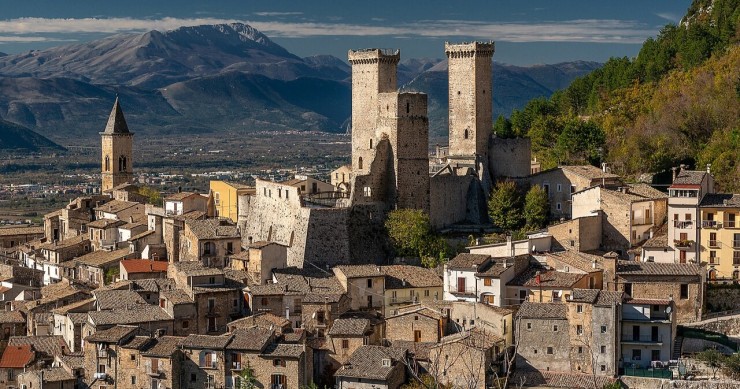
Italy is dotted with beautiful historic centers almost everywhere: medieval churches, noble palaces, artisan workshops, and squares and piazzas tell the story of the evolution of the urban fabric of cities and of society itself. Yet, beyond the emotion it evokes, the definition of a historic center is far from obvious: it's not simply the "old quarter" of a city, but a concept with very specific cultural, urban planning, and legal roots.
In Italy, "borgo" and "comune" are often used synonymously, yet they tell entirely different stories. The difference between "borgo" and "comune" isn't just a linguistic issue, but touches on historical, legal, and cultural aspects deeply rooted in the Italian fabric. In short, "borgo" is a concept tied to identity and landscape, while "comune" is an administrative entity recognized by law.
Italy has three cities in the world’s top 30 for quality of life in the 2026 Global Cities Index.
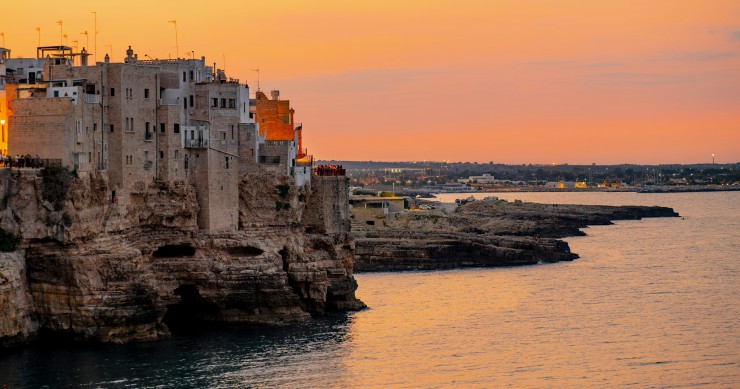
Puglia is a serious alternative to Tuscany, the Amalfi Coast and northern Italy’s pricier cities.
How much is a foreign buyer prepared to spend on a home in Italy?
In the day-to-day management of a shared residential building, communication and organisational needs often arise that fall outside the duties of the main bodies established by law, such as the administrator and the owners’ assembly. Other roles may therefore exist, including the condominium coordinator, who provides support with condominium management. This person has no independent decision-making powers and is not specifically regulated by the Italian Civil Code. Their role is to make relations between condominium owners, or a group of them, and the administration more straightforward.
Keeping a property vacant involves ongoing outgoings that weigh on every owner’s finances. The fixed and variable costs of an empty home range between €400 and €1,500 per quarter. IMU has a significant impact because, unlike properties used as a main residence, it must be paid. TARI is also almost always payable in full, except in rare cases involving homes without furnishings or utility connections. Electricity, gas and water bills continue to include fixed network charges even when consumption is zero.
The choice between northern and southern Italy can bring a major difference in everyday spending.
In recent years, environmental protection has become a central consideration in the design, construction and management of buildings.
Italy ranks 25th in Visual Capitalist’s 2026 ranking of the best countries for quality of life, behind Spain and Portugal but ahead of the United States.
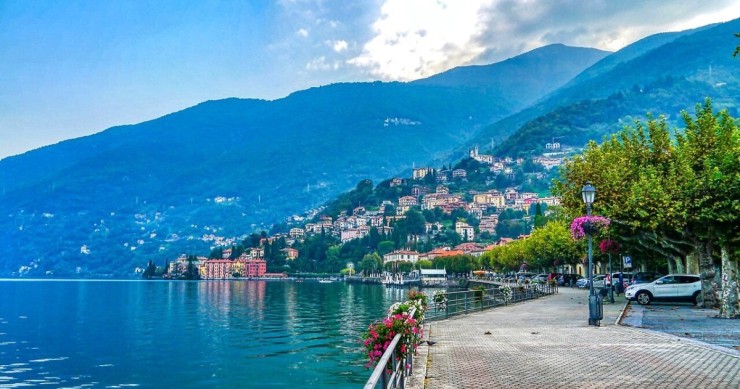
A village on Lake Como has decided to help young people stay and live there through funding allocated via a public call to people who choose to establish their official residence in Bellano and build a life there. Called “Abitare Bellano”, the initiative is a trial measure set up by the local Comune — municipal council — for 2026. It has a total fund of €100,000 and addresses an issue shared by many small Italian towns. On Lake Como, it takes on a particular form: a picturesque area that is increasingly unaffordable for the people who would genuinely like to make their home there.
Italy’s 2026–27 school year is approaching, and the return to the classroom will not look the same across the country.
Italy’s 2026–27 school year starts in September, although the exact first day differs by region. The earliest published return date is 7 September, while the latest is 17 September 2026.For families with children in Italian schools, the important dates are not limited to the first day of term.
The rules for joint residence for married couples include specific tax and registry regulations. If a husband and wife live in separate homes, the ISEE (Equivalent Economic Situation Indicator) and tax return requirements remain in place, while specific parameters apply to the IMU exemption and family status.
Trentino and Alto Adige are often grouped together as one Alpine destination, yet they are two autonomous provinces with distinct languages, cultures and histories.For foreigners considering life in the region, the most noticeable contrast is linguistic: Trentino is predominantly Italian-speaking, w
Until a few decades ago, leaving home before the age of 30 was considered a natural step towards adulthood.
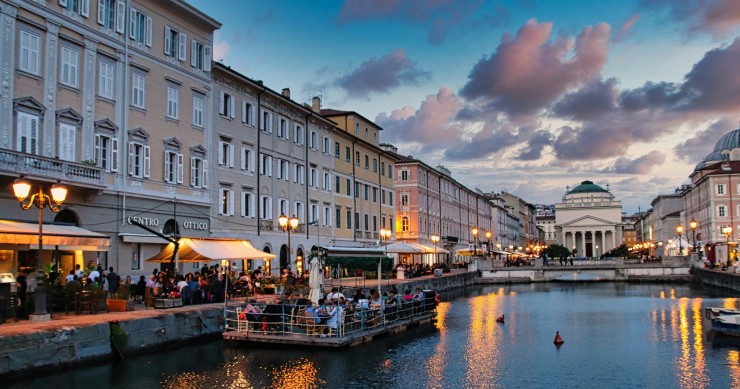
Friuli-Venezia Giulia is an autonomous Italian region. Yet the two names joined by a hyphen point to areas shaped by different histories, languages, landscapes and cultural influences.Friuli occupies the western and central part of the region, while Venezia Giulia sits to the east.
In recent years, the idea of the smart home has also become more widespread in Italy, shifting from a luxury for a few to a practical choice for many households.
Generally speaking, the cost of repainting a rented property depends on what caused the walls to deteriorate, or on any agreement made between the parties. The basic rule on who pays for painting in a rented home is based on normal deterioration over time. The landlord is responsible for ordinary wear and tear, such as yellowing walls or marks caused by structural damp. The tenant only has to pay for repairs when deterioration results from improper use of the property or their own negligence.
Italy may be high on the wish list for a new life abroad, but Italian bureaucracy for foreigners remains a major hurdle.
Receive our latest news in your email Subscribe