Culture vulture from London with a passion for all things foodie. I’ve lived abroad for almost 10 years, floating from one magical place to another. I studied literature at university in the eclectic city of Brighton, and since then, I’ve been hooked on keeping up with what to do, see, and, of course, eat. I’m a firm believer in appreciating and learning from local cultures, travelling responsibly, and giving new things a go with an open mind and a healthy dose of curiosity. I try to share useful tips, local insights and a bit of honest know-how, so you can make the most of wherever you find yourself.
If you’re weighing up the best place to celebrate New Year’s Eve in Italy, picture Capodanno as a long dinner rolling into midnight, with fireworks cracking over church domes.
Picture a medieval Tuscan hill village where the council helps pay for your move—up to €20,000 towards buying a home. Olive groves, proper trattorie and a calmer rhythm without big‑city aggro.
Winter in Italy runs from candlelit piazzas in the north to sunlit promenades in the south. Crowds thin out after the holidays, museum lines shrink, and prices ease up, though daylight is short and the odd storm rolls through.
Up in the Siena hills, Radicondoli is the kind of Tuscan village where evenings still revolve around the piazza and summer theatre spills into courtyards.
If you’re hunting for things to do in Lucca, picture a walled Tuscan city where the pace is gentle, the views are timeless, and surprises wait around each corner.
If you’re thinking about living in Lucca, this small Tuscan city delivers a big daily-life dividend. Its intact Renaissance walls form a leafy ring for walking or cycling, the lanes inside are calm and flat, and cafés cluster around Piazza dell’Anfiteatro and San Michele in Foro.
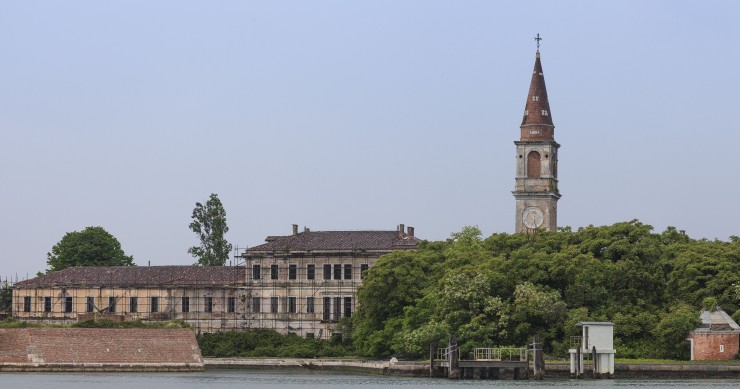
Italy wears its history on its sleeve, and some corners are a touch darker than others. Think cursed palazzi, plague islands and catacombs where time seems to freeze.