A small mountain community in central Sardinia has been identified as a new Blue Zones candidate after researchers documented exceptional survival rates among its oldest residents. A study published in Frontiers in Aging found that women who reach 70 in the village are estimated to be almost three times more likely to live to 100 than women in the United States.
The study’s findings add a fresh chapter to Sardinia’s long association with longevity research, while also putting a quieter part of the island on the map for people interested in healthy ageing, village life and Italy beyond the major tourist routes.
Bolotana becomes Sardinia’s new Blue Zones candidate
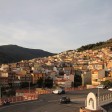
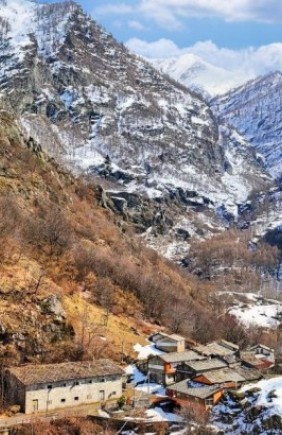
The place behind the research is Bolotana, a hillside town in the historic Barbagia area of central Sardinia. In autumn 2024, the village of roughly 2,300 residents had around six people aged 100 or over.
That equates to approximately 11 times the concentration of centenarians recorded in the United States, based on the US Census Bureau’s 2020 figures, according to the research team led by National Geographic Explorer Dan Buettner.
The term Blue Zone is used for areas associated with unusually high longevity. The idea has become closely linked with parts of Sardinia, particularly the island’s interior.
“We now know something extraordinary is happening in Bolotana,” said Dan Buettner. “The next step is to understand why and whether the lessons can help people elsewhere live longer, healthier lives.”
The survival figures behind Bolotana’s longevity story
The study estimates that 13.8% of Bolotana women who reach 70 will live to 100. The equivalent estimate for women in the United States is around 3.6%.
In practical terms, researchers estimate that roughly one in seven women in Bolotana who reach 70 may become a centenarian, compared with around one in 28 US women. At age 70, women in the village were estimated to have nearly 21 more years of life remaining.
Why women in Bolotana stand out
Sardinia’s original Blue Zones research often focused on male longevity. Bolotana appears to differ, with the strongest statistical advantage found among women. The team used civil registration, parish archives and family histories to verify births and deaths across more than a century.
What may support a longer life in this Sardinian village
The researchers did not conclude that any one habit, food or social factor causes Bolotana’s high survival rate. The next stage of the work will investigate possible explanations, rather than treat the initial findings as a formula for living longer.
Several local characteristics are likely to receive closer attention:
- Walkable daily life: Bolotana’s steep streets encourage routine movement, though the terrain may not suit everyone.
- Strong family connections: Family networks and respect for older relatives remain central to life in many Sardinian towns, without being exclusive to Bolotana.
- Faith and community life: Religious traditions and shared rituals may help sustain social ties.
- Modest wine consumption: This is one strand for researchers to investigate, not a recommendation that alcohol improves longevity.
- Local olive oil: The village has a variety of olive oil containing odd-chain fatty acids, which the team flagged as a possible research avenue.
The reported patterns sit alongside a broader reality: longevity is shaped by genetics, healthcare, income, social conditions, lifelong habits and plain good fortune. It cannot be distilled into a shopping list.
What Bolotana is like for visitors and curious residents
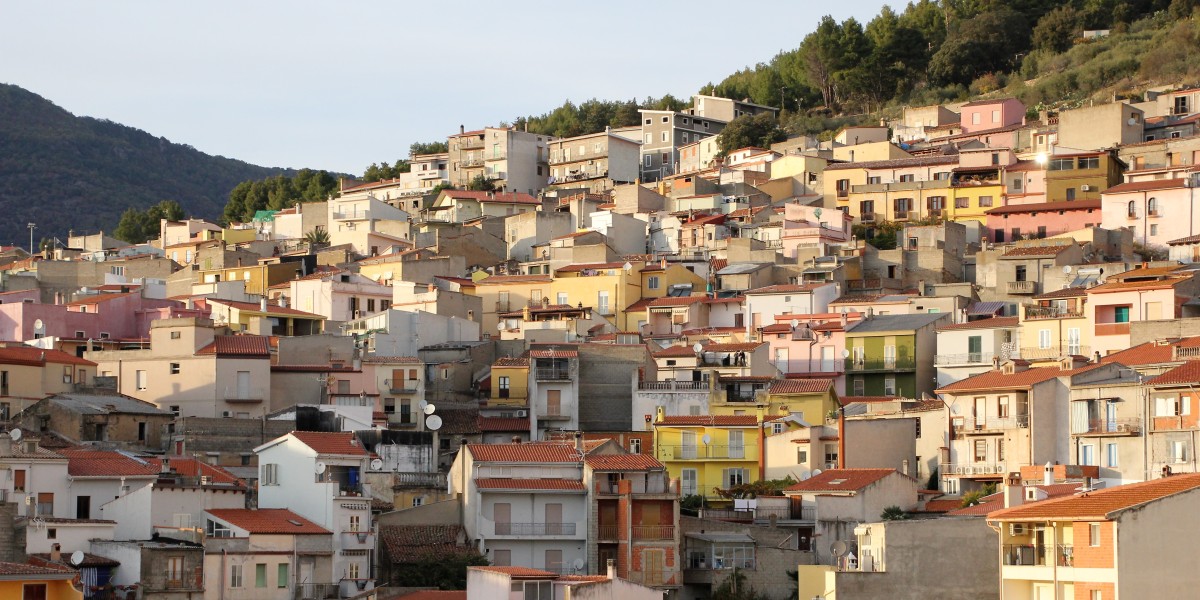
Bolotana sits in Sardinia’s mountainous interior, away from the coastal resorts and epic beaches that dominate many first impressions of the island. It is a working town with a slower, more local rhythm than the beach towns around the Costa Smeralda or Alghero, while Sardinia’s most memorable villages reveal the island’s very different coastal and historic settings.
The setting has the practical qualities that often matter to people considering longer stays in Sardinia: a more traditional daily routine, local food production, strong community connections and access to the island’s rugged interior. It also comes with trade-offs. English is less widely used, driving is useful, and the steep streets can be demanding for anyone with limited mobility.
Stay in the know about living in Italy as a foreigner—get our weekly newsletter for the latest travel, legal, and lifestyle news.