
Ecobonus 2027: possible changes for windows, air conditioning and more
A 65% ecobonus for certain energy-saving interventions in primary residences. This is a significant development that could come into effect in the coming months. The government is apparently considering a possible strengthening of the incentive as part of the approximately €14 billion budget flexibility related to the energy transition. The economic daily Il Sole 24 Ore reported on the matter, suggesting that a premium could be applied compared to the current level of tax rebates for windows, heat pumps and air conditioners, solar thermal hybrid systems, shading systems, and insulation.

Solar window panels: the home that produces energy through glass
People living in apartment buildings or historic centres rarely have a section of roof available for solar panels. To address this issue, sustainable construction has begun experimenting with solutions that can be incorporated directly into vertical façades. One technology that is still not widely used but is gaining ground is designed for those who want to reduce consumption without altering the building’s structure: solar window panels, also called photovoltaic windows.

LEED Gold Certification: sustainable building standards and benefits
In recent years, environmental protection has become a central consideration in the design, construction and management of buildings.
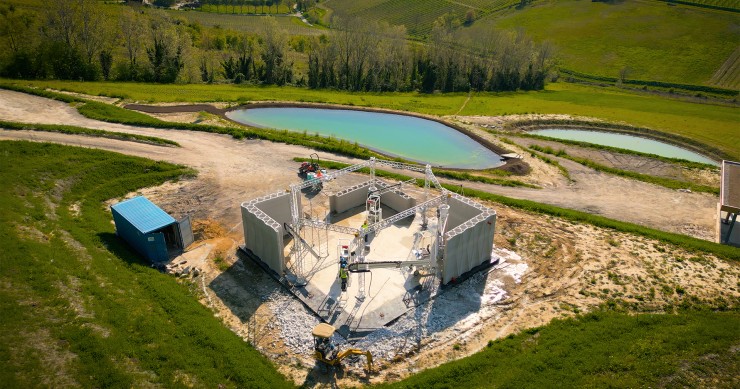
First 3D-printed house for self-sufficient and sustainable living
The idea of a home built with a 3D printer began more than 14 years ago, but only a few weeks ago, construction was completed on Itaca, the first self-sufficient, sustainable farm built using a precision digital crane, near Imola.The result of research and design work by WASP, a company based in Mas

Green homes, the future of Italian property
When it comes to green homes, 2030 is a deadline that's generating attention and, in some cases, even some concern. However, it's important to remember that this isn't a doomsday year for the real estate market. The Energy Performance of Buildings Directive (EPBD) has mandated the achievement of certain overall national targets. These targets must be interpreted correctly: new residential buildings must be zero-emission by 2030; while for existing residential buildings, Member States must adopt measures to ensure a reduction in average primary energy use of at least 16% by that year. Therefore, there's no requirement for a minimum energy class for each individual home. But what does the latest news on the European directive on green homes tell us?

Best natural reserves in Italy: 5 UNESCO biosphere escapes
Italy isn’t only about Renaissance cities and lazy, sun-soaked lunches.

Tourist Tax in Italy 2026: city rules and rates
A tourist tax, often referred to as a city tax, is a small fee levied by municipalities on visitors staying in paid accommodation.
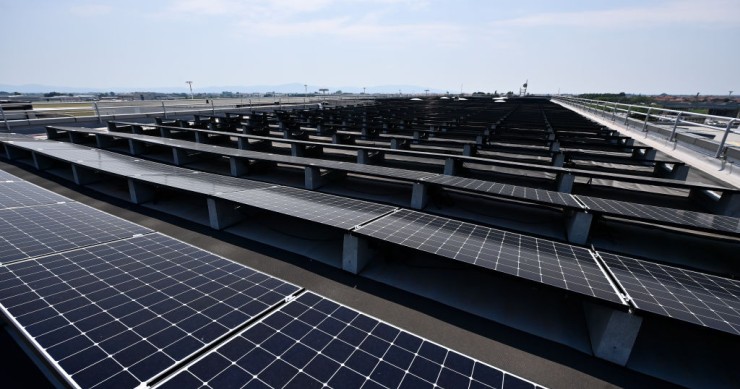
Sardinia launches €100 million green scheme for home solar panels
The Sardinia Region has introduced a major green initiative, offering non-repayable grants for home solar panels and electricity storage systems for self-consumption.

UN Best Tourism Villages 2025: Italy’s trio on the list
The UN Best Tourism Villages initiative puts Italy in the frame for 2025 with three villages.
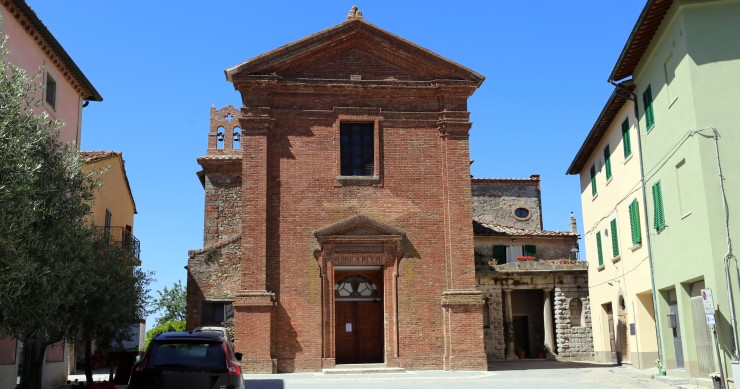
Get €20k to buy a home in Italy: a Tuscan village's housing incentive
Picture a medieval Tuscan hill village where the council helps pay for your move—up to €20,000 towards buying a home. Olive groves, proper trattorie and a calmer rhythm without big‑city aggro.
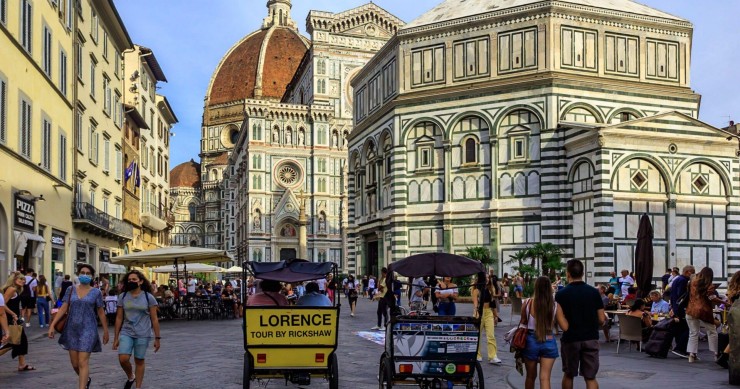
Florence says goodbye to rickshaws and tuk-tuks: everything visitors need to know
Florence is taking a decisive step to protect its historic heart. From 15th October 2025, the city will ban rickshaws, tuk-tuks, golf carts and other “atypical tourist vehicles” from circulating in its UNESCO-listed centre.
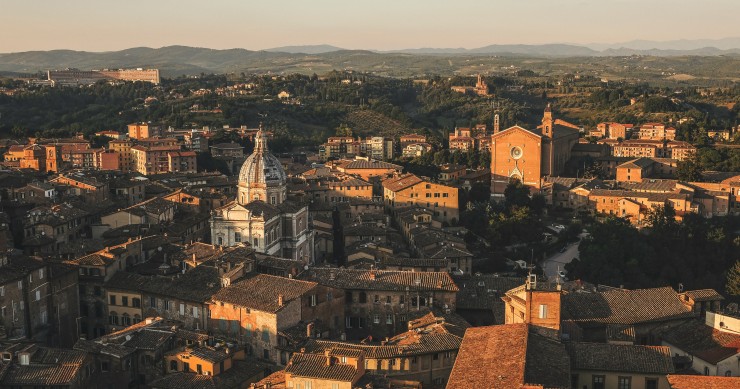
Siena wins EU Green Award 2027: sustainability and urban innovation
Siena has been named the winner of the EU Green Leaf Award 2027.
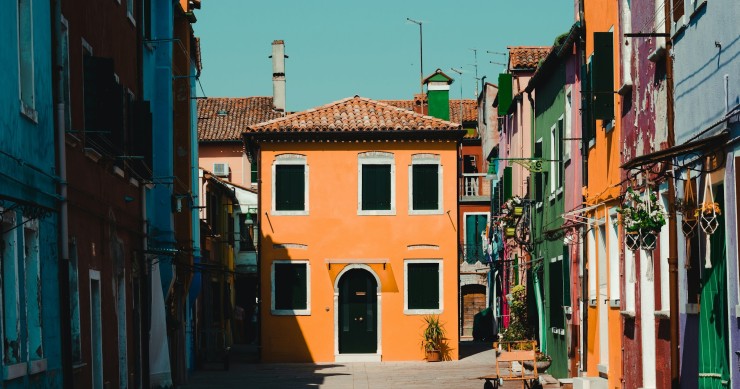
Real estate investments in Italy: opportunities from the EU’s new energy standards
As climate change and the need for sustainable practices take centre stage, the European Union’s revision of the Energy Performance of Buildings Directive (EPBD) marks a pivotal regulatory moment.