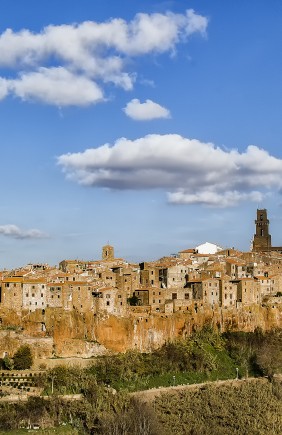
Sea, mountains, nature or art cities: Italy remains one of the most varied and rewarding places in Europe for a family holiday. Recent Google Trends data for 2026 shows that searches related to family travel have risen by more than 100% over the past year.
Families are looking for liveable destinations, flexible itineraries and accommodation that welcomes pets as well. The classic all-inclusive week at the seaside is giving way to more personalised experiences, shaped around different generations sharing the same house — or the same car.
Family travel trends in Italy for 2026

The return of the family road trip
Searches linked to family road trips have increased by 150% compared with the previous year.
Camper vans, converted vans and cars packed to the roof are back on Italian motorways. Travelling by car works particularly well with children because it is flexible by nature. You can slow down, change plans or pause for an unscheduled gelato.
Among the most searched road trip destinations within Italy are Tuscany and Umbria. The main advantage remains the same: maximum flexibility with relatively contained costs.
Pet-friendly holidays
More families are choosing not to leave their pets behind. Searches related to pet-friendly tourism have increased by 170% in the last 90 days, with an even sharper rise for queries about airlines that allow dogs on board.
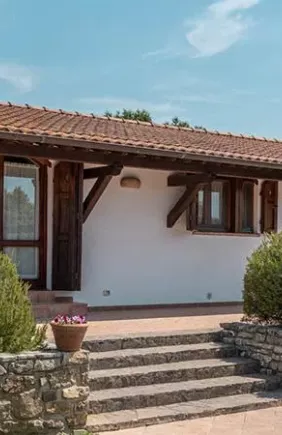
In Italy, this shift is visible across the hospitality sector. Hotels, agriturismi and campsites are increasingly equipped to accommodate animals, with more tailored services and fewer restrictions than in the past.
The age of your children changes everything
One of the most common mistakes in planning a family holiday is underestimating how much a child’s age shapes the entire experience: attention span, stamina, curiosity and expectations all vary enormously.
Before choosing a destination, it helps to consider what will genuinely engage your children, rather than what sounds educational in theory.
- With children under five, priorities tend to include traffic-free spaces, safe environments, accommodation with practical facilities such as cots and suitable menus, and a slower daily rhythm with time to rest.
- With primary school-age children, interest grows in interactive activities, outdoor exploration and stories connected to the places you visit.
- Teenagers often need a degree of autonomy. Destinations that allow independent walks, sports and stimulating surroundings generally work better than postcard-perfect settings with little room for freedom.
The best family destinations in Italy
Italy offers an extraordinary range of options within relatively short distances: art cities, medieval towns, coastlines and countryside. The destinations below share three qualities.
They are easy to explore with children, offer both cultural and natural interest, and allow for a relaxed pace.
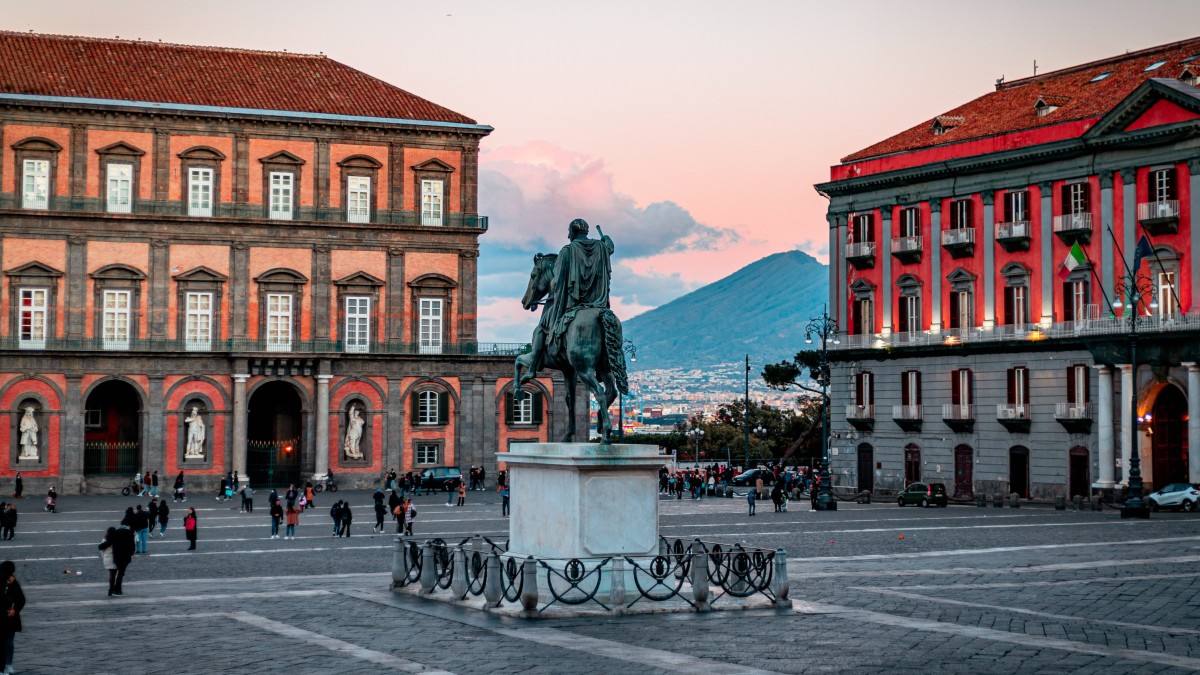
Naples: one of Europe’s top child-friendly cities in 2026
In 2026, Naples ranked second in Europe for child-friendly holidays by TUI. You've got compact historic streets, big open spaces, and easy access to islands and archaeological sites that feel like open-air adventures.
Beyond the obvious draw of pizza, there’s plenty to keep different ages engaged — exploring the ruins of Pompeii, climbing up to Castel Sant’Elmo for wide views over the bay, or spending a day by the sea.
Ravenna: mosaics and the Adriatic coast
Ravenna in Emilia-Romagna combines art and seaside in a single trip.
Its extraordinary Byzantine mosaics, protected as UNESCO monuments, are among the most striking in the world. A short drive away lie the family-friendly beaches of Lido di Classe and Lido Adriano, convenient for a day by the sea after a morning of cultural visits.
The city is flat and easy to navigate by bicycle, with spacious streets and several museums offering routes designed with children in mind.
Matera: history and wonder in the Sassi
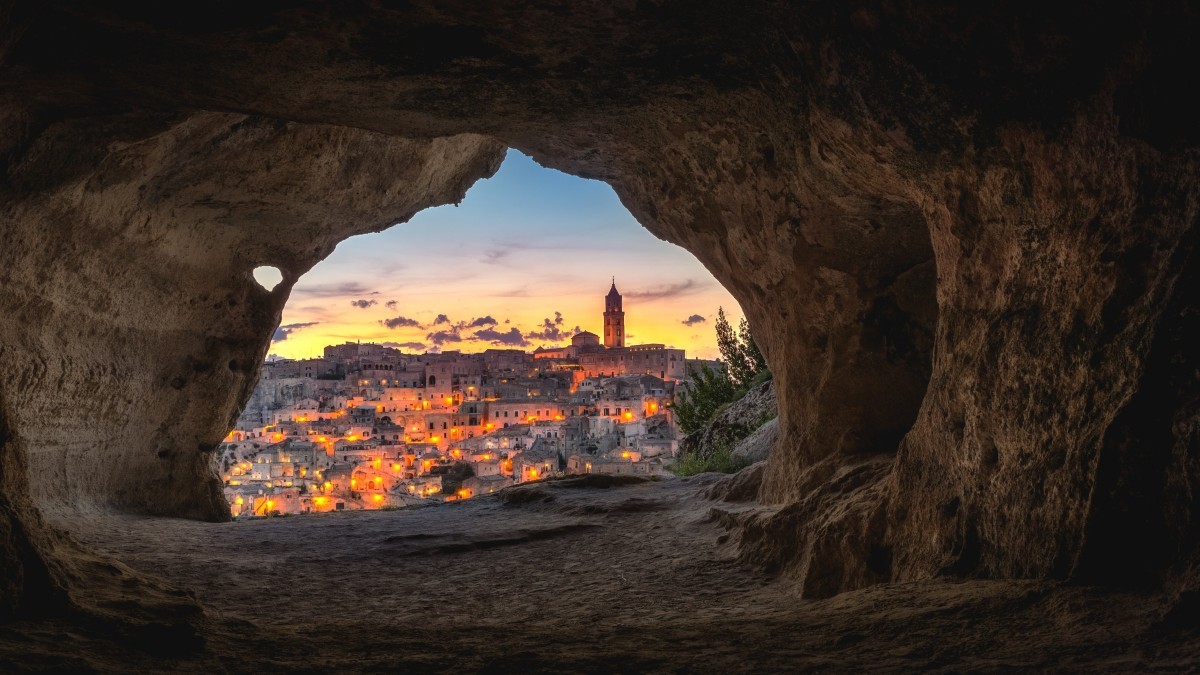
Matera, one of 2026's Seven Wonders of the World, leaves a strong impression on both adults and children.
Among the Sassi, families find a natural labyrinth of staircases, caves and narrow lanes to explore. The city, a UNESCO World Heritage Site since 1993, offers some of the most dramatic pedestrian routes in Italy, with museums, rock churches and sweeping views over the Gravina canyon.
Siracusa: Mediterranean atmosphere in Ortigia
Siracusa, particularly the island district of Ortigia, has a compact scale that suits family travel.
The historic centre can be explored on foot in a morning, with layers of Greek and Baroque history set against clear Mediterranean waters. Evenings tend to revolve around illuminated piazzas, the sensory experience of the morning fish market and simple pleasures such as pistachio gelato.
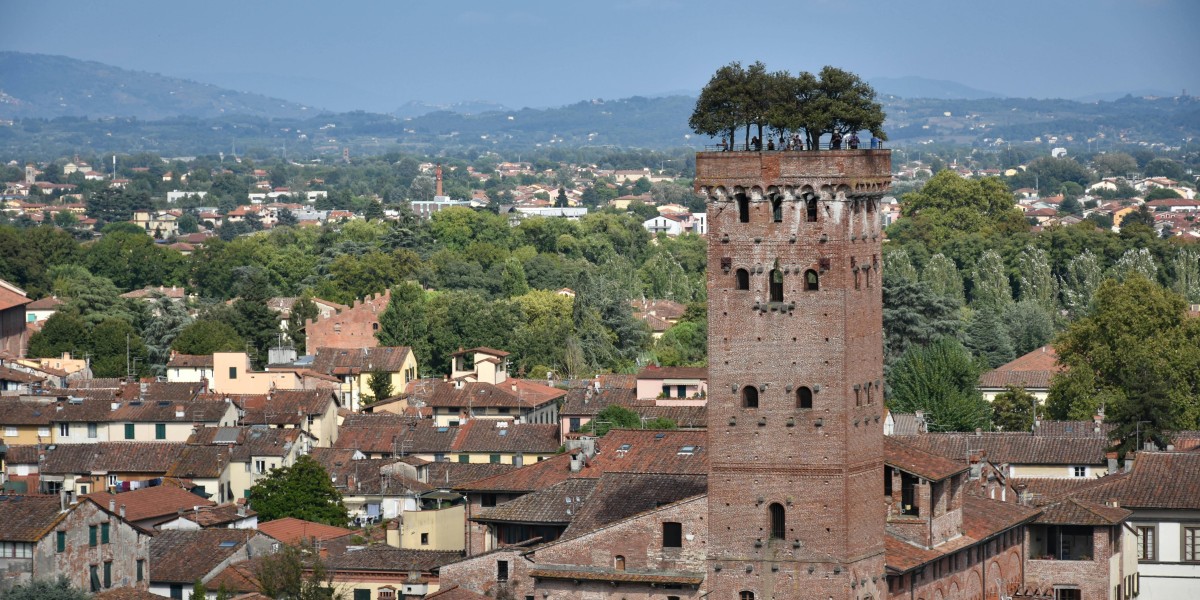
Lucca: a child-friendly city by design
Lucca may be one of Italy’s most naturally family-friendly cities.
- Its intact Renaissance walls form a wide green promenade that circles the historic centre, ideal for cycling or walking with children.
- Inside the walls, the old town is largely traffic-free, calm and safe, with generous piazzas where children can move around freely.
Lucca's proximity to the beaches of Versilia and the villages of the Garfagnana also makes it easy to combine culture and nature in a single itinerary.
Lake Garda: practical and family-oriented
Lake Garda has been a favourite with families for decades for tangible reasons.
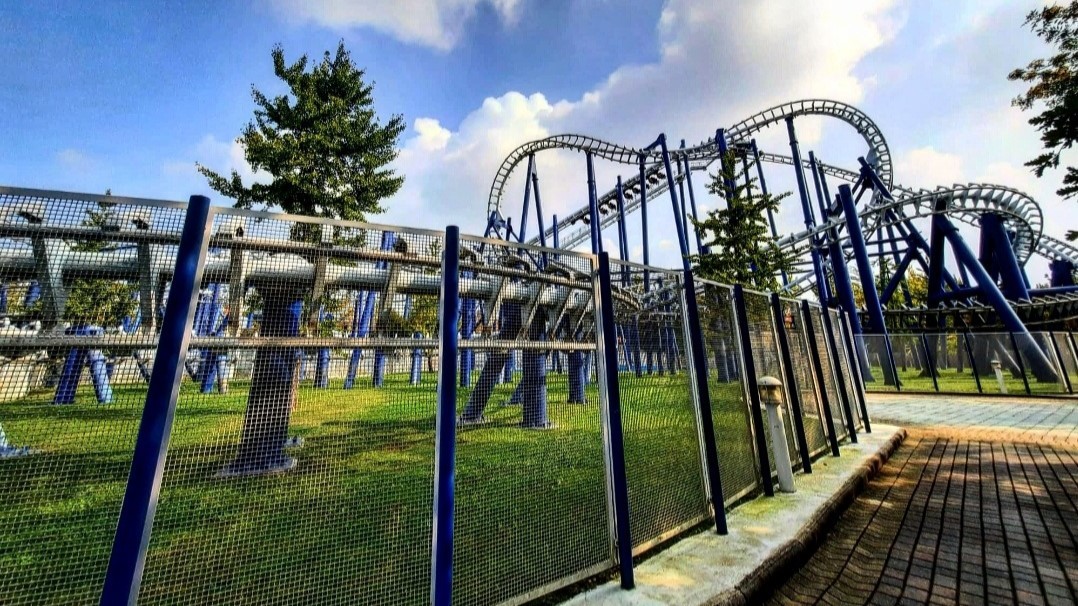
The lake water is calm and clean, warming quickly in summer. Beaches are generally well equipped and safe, and the surrounding area offers attractions designed specifically for children, including Gardaland and the Valtenesi natural parks.
Towns such as Riva del Garda, Desenzano and the medieval Sirmione have pleasant historic centres and pedestrian promenades suited to evening walks. Its accessibility — roughly three hours by car from Milan and two from Verona — makes it particularly practical for families who prefer to avoid long transfers.
How much does a family holiday in Italy cost in 2026?
Planning a family holiday requires careful budgeting, particularly during the summer months. The following figures provide estimates for a family of four (two adults and two children) for seven nights, excluding internal transport.
Prices may vary depending on the season and type of accommodation.
Destination | Recommended period | Estimated cost (7 nights) | Suggested accommodation |
|---|---|---|---|
Lucca (Tuscany) | April – October | €1,100 – €2,000 | B&B or apartment in the historic centre |
Matera (Basilicata) | May – October | €1,000 – €1,800 | Accommodation in the Sassi or city hotel |
Ravenna (Emilia-Romagna) | May – September | €1,000 – €1,700 | Hotel or apartment, beach around 10 km away |
Siracusa / Ortigia (Sicily) | June – September | €1,300 – €2,400 | Apartment in Ortigia or hotel by the sea |
Lake Garda | June – September | €1,300 – €2,500 | Family hotel or apartment (the Brescia side is generally more affordable) |
For international visitors, flights and transfers will need to be added to these figures. Costs will depend on departure city and booking time, particularly during the school holidays.
Stay inspired for your travels in Italy —get our weekly newsletter for the latest travel, legal, and lifestyle news.