Italy in summer has its own rhythm. Cities empty out, beaches fill up, dinners stretch late into the evening and daily life shifts around the heat. Many of the common mistakes tourists make in Italy during peak season aren’t about rudeness. They’re about misunderstanding how the country actually functions in July and August.
If you’re planning summer in Italy, these are the things that tend to catch people out.
1. Underestimating the heat in historic city centres
A weather app saying 34°C in Rome rarely tells the full story. Medieval streets are narrow, buildings are stone, and there’s limited airflow. By mid‑afternoon, places such as Florence, Bologna and Naples can feel far hotter than the official temperature suggests.
Locals adapt their routines:
- Early errands before 10 am
- A slower lunch break indoors
- Evening strolls after 8 pm, once the pavements cool
Trying to sightsee intensively at 2 pm often leads to exhaustion rather than enjoyment. Structuring the day around the heat makes summer travel in Italy far more manageable. If you're really not a fan of the heat, explore cooler places in Italy where the temperature won't be an issue.
2. Treating Ferragosto like an ordinary week
Ferragosto, on 15 August, is one of the most important dates in the Italian calendar. Rooted in Roman tradition and later tied to the Assumption, it marks the height of summer holidays.
- Major cities such as Milan and Turin feel unusually quiet
- Coastal towns and mountain resorts are at full capacity
- Domestic travel peaks, pushing up prices and crowd levels
Italy in August revolves around this national public holiday. Accommodation near the sea can be booked out months in advance. Planning without factoring in Ferragosto is one of the most common summer travel mistakes.
3. Assuming every beach works the same way
Italian beach culture is structured. Much of the coastline is divided into stabilimenti balneari (private beach clubs) with neatly arranged rows of umbrellas and loungers.
Key things visitors often miss:
- Umbrellas are rented by the day or week
- Front rows cost significantly more
- Regular families sometimes keep the same spot all season
There are also spiagge libere (free beaches), but these can fill quickly in August. Turning up mid‑morning in peak season without a booking in popular areas such as the Amalfi Coast or parts of Versilia often means limited options.
Understanding how Italian beach clubs operate and how much you'll pay avoids frustration and inflated last‑minute prices.
4. Ignoring water scarcity in southern regions
Summer in Italy increasingly means drought warnings, especially in Sicily, Sardinia and parts of Puglia. Water restrictions are not unusual during prolonged heatwaves. Holidaymakers sometimes overlook:
- Limits on garden watering or pool refills
- Requests to minimise long showers
- Pressure on small island infrastructure
Locals are sensitive to waste during these periods. Being mindful of water use is part of responsible tourism, particularly in areas already dealing with overtourism in Italy during peak months.
5. Packing an over-ambitious multi-city itinerary
Seven days, five cities sounds efficient on paper. In high season, it rarely works smoothly. Summer brings longer queues at major landmarks, crowded regional trains, and higher temperatures slowing everything down.
Italy is deeply regional, with strong local identities and traditions. Spending more time in one region often leads to a richer experience than rushing between Venice, Florence and Rome in quick succession.
6. Expecting quiet evenings in residential areas
In winter, many Italian neighbourhoods settle down fairly early. In summer, it’s the opposite. Once the heat drops, daily life shifts outdoors, and streets that felt calm during the day become much more active. In July and August, it’s normal to hear:
- Children playing in the piazza until 10.30 pm or later
- Families chatting on benches below apartment windows
- Open‑air cinema screenings and small local concerts
- Music and conversation drifting over from a nearby festival
Complaints about evening noise in August usually reflect a misunderstanding of Mediterranean summer culture. It’s not rowdy in a British “city-centre-on-a-Friday-night” way. It’s just socially active.
7. Booking accommodation without checking air conditioning properly
Not all “air con” is equal. In historic centres, units can be older or restricted due to building regulations. Some apartments rely heavily on shutters to block the midday sun.
Clarifying with the host when exploring holiday rentals in Italy with air-con is essential during Italy summer travel. Thick walls help, but August nights in cities such as Rome or Palermo can remain above 25°C.
8. Missing seasonal food traditions
Italian cuisine shifts with the climate. Heavy dishes give way to lighter plates built around ripe produce. In summer, you’ll see:
- Insalata di riso, a cold rice salad popular at family gatherings
- Proper tomato season in July and August
- Sicilian granita with brioche for breakfast on hot mornings
Tuning into seasonal menus and checking out local sagre, Italian food festivals, gives a better sense of place than sticking to the same dishes year-round.
9. Assuming the north and south experience summer in the same way
Italy’s regional contrasts become sharper in summer. Recognising these differences avoids unrealistic expectations and respects the country’s distinct local identities.
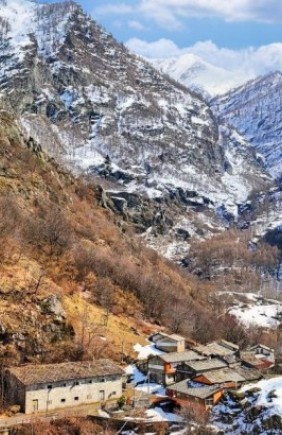
- In Trentino-Alto Adige, many Italians escape to mountain villages for cooler air
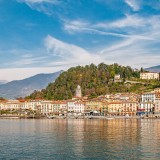
- Around the northern lakes, August is busy but often more temperate
- In southern regions, beach life dominates daily routine
10. Treating Italy as a backdrop rather than a lived-in country
Overtourism in Italy is most visible in summer, when visitor numbers peak and daily life becomes harder to navigate for residents. This is why tourist taxes in Italy are common these days. In cities such as Venice and Florence, locals still need to get to work, take children to school camps and do their food shopping, even as the streets fill up.
Behaviour that causes tension includes:
- Blocking narrow lanes with large suitcases
- Swimming in historic fountains during heatwaves
- Ignoring local beach regulations and signage in protected coastal areas, such as the umbrella or flip-flop bans
- Sitting on monument steps where access is restricted or clearly marked as off-limits