Statue of Liberty Milan

Milan's secret Statue of Liberty on the Duomo

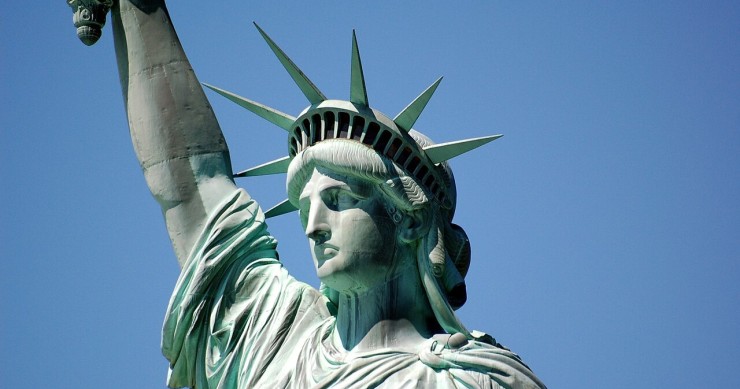
Milan has its own Statue of Liberty, and it actually predates the celebrated American one. It stands on the façade of the Duomo, above the central portal, and is actually called La Legge Nuova (“The New Law”). It was sculpted by Camillo Pacetti in 1810, more than 70 years before the statue was inaugurated in New York Harbour. Yet amid the thousands of sculptures decorating the cathedral, it is easy to miss.
municipality with the longest name in Italy

The town in Italy with the longest name

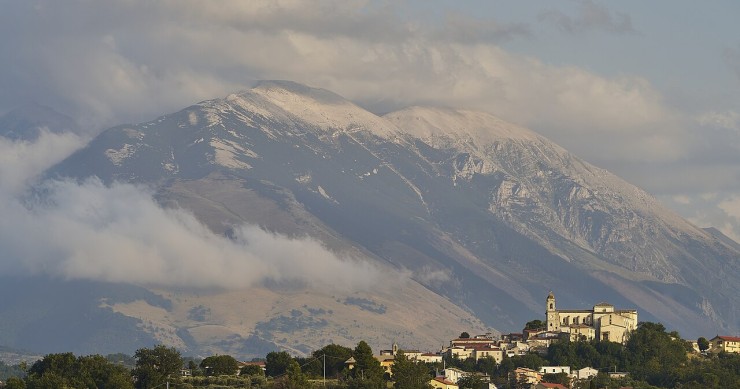
There is one record that none of Italy’s more than 7,800 municipalities can match. The Italian municipality with the longest name is San Valentino in Abruzzo Citeriore, a small hill village in the province of Pescara. Its name contains 34 characters, including spaces.
cellars

Harvest season and star architects: 4 Italian wineries to visit now

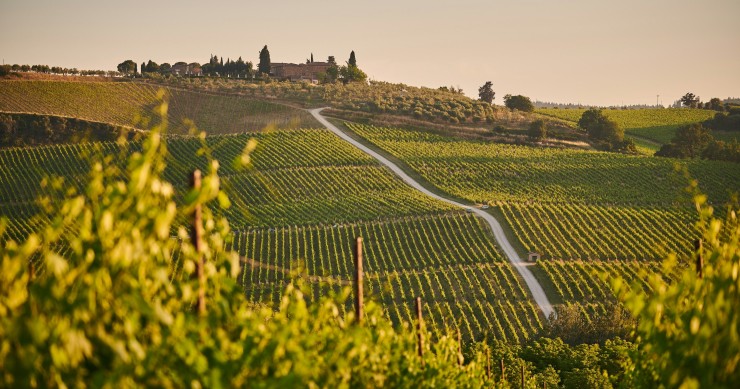
A barrel cellar carved into rock 50 metres underground, a dome resembling a shell, a “Grape” overlooking the vine rows, and a pop-art façade shaped like two stacked wine crates. With the grape harvest behind them and vineyards turning autumnal shades, these wineries provide a full experience of design, scenery and wine tasting.
monumental cemeteries in Italy

The 7 most beautiful monumental cemeteries in Italy to visit

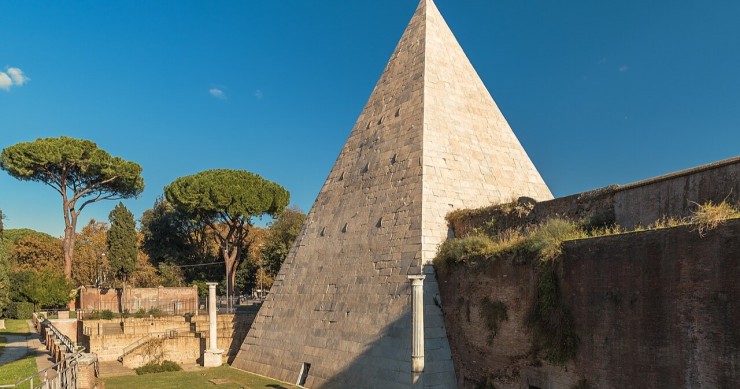
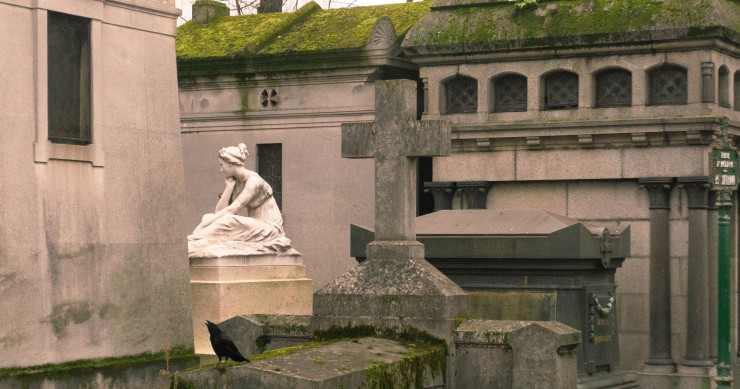
Many people see monumental cemeteries as museums in their own right. Tree-lined avenues, marble sculptures and the tombs of notable figures tell the story, art and sensibilities of entire cities. For anyone looking for an unusual cultural destination, Italy’s most beautiful monumental cemeteries include Staglieno in Genoa, Verano in Rome, and the Certosa in Bologna. Pick one and pay the cemetery a visit during Halloween.
ghost town Italy

How to visit Italy’s ghost towns

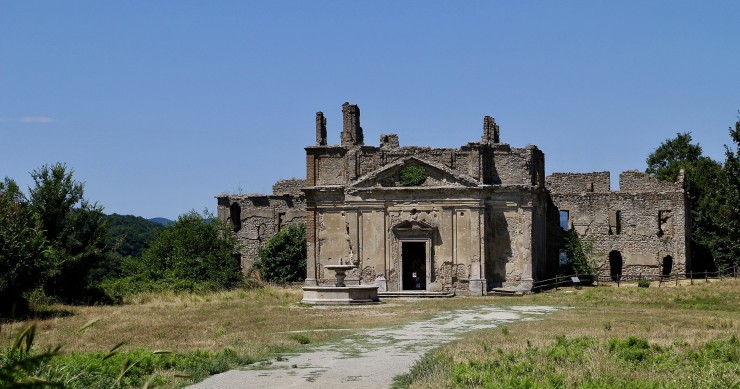
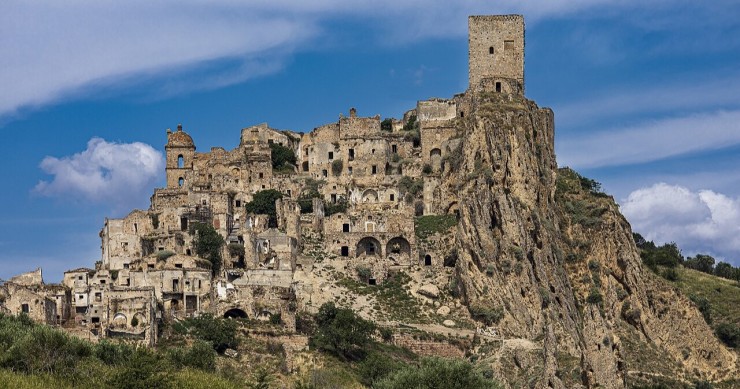
Italy is often associated with well-kept, lived-in villages, but there is another side to the country: places emptied of their residents and seemingly frozen on the day they were left behind. There are more than a thousand abandoned villages across Italy.
Veneto, the "mint milk" lake that isn't a filter

Veneto’s mint-milk-coloured lake looks edited, but it is real

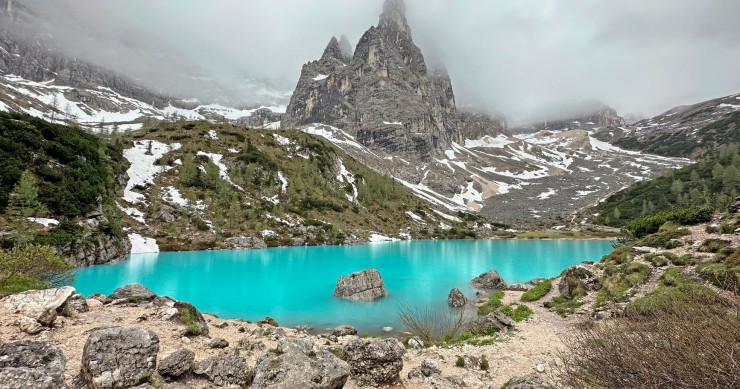
In the Ampezzo Dolomites, there's a body of water that appears mint-colored, a milky blue that surprises even those who've seen it a thousand times in photos. It's Lake Sorapis, one of the most photographed glacial basins in the Veneto region, suspended just below 2,000 metres and enclosed in an amphitheatre of bare rock faces. Its colour isn't an illusion: it's the result of suspended mineral dust that uniquely refracts light.
Craco

Halloween in Italy: 5 real places with a spooky history

Halloween brings to mind Ireland and Scottish castles, but Italy also offers settings that make you accelerate your pace after dark. Between the Alps, the Apennines, and the South, there are manors, ruins, and abandoned villages where official history has fueled centuries-old folk tales. The key is to distinguish: the apparitions are folklore; the stones, however, are real and can be visited. This is where the charm lies: you can enter frescoed courtyards, walk along crenellated walkways, pause in deserted squares, and let memory do the rest.
waterfalls of the serious

How to see the spectacular Serio Falls, they only open 5 times a year

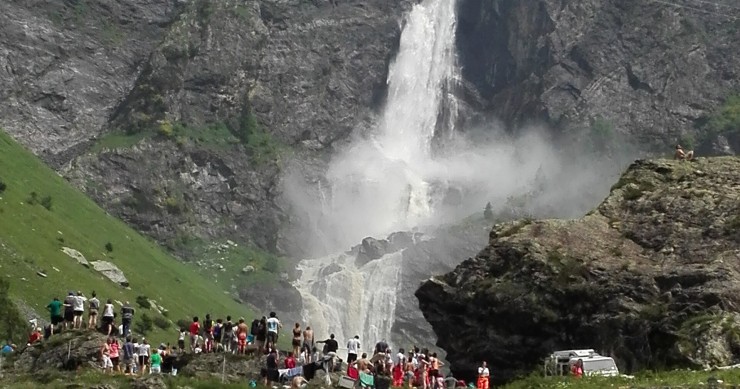
The Serio Falls are a sight you don't always see: they're seen at full flow only five times a year, for just half an hour, when the upstream dam opens its gates. Located in Valbondione, in the Upper Seriana Valley, they can only be reached on foot. Their triple drop of 315 meters makes them among the highest waterfalls in Italy.
Volcanoes of Italy

Italy has 70 volcanoes, and you can even walk on Mount Etna

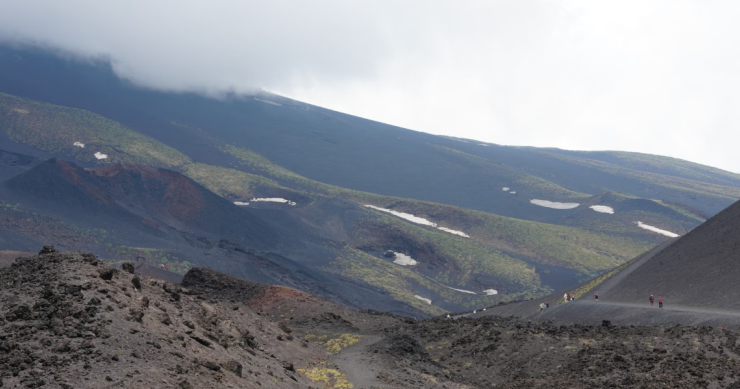
The image of Etna puffing away reminds us of how vibrant Italy's subsoil is. But the surprise lies in the numbers: there are around seventy volcanoes across the peninsula and its islands, and many can be reached on foot. Not all, however, are within hiking distance: some lie at prohibitive depths, others have appeared and disappeared in the space of a few weeks, leaving behind disputes and legends.
why do we go to the cemetery on November 1st

Why do people in Italy visit cemeteries on 1 November?

Every year, between late October and early November, the avenues of Italian cemeteries fill with flowers, vases of chrysanthemums, and small lights. Yet the day dedicated to the deceased falls on November 2nd, while the lines at the gates almost always form the day before. So, why do we go to the cemetery on November 1st?
Gradara Castle

The most beautiful castles to visit for Halloween in Italy

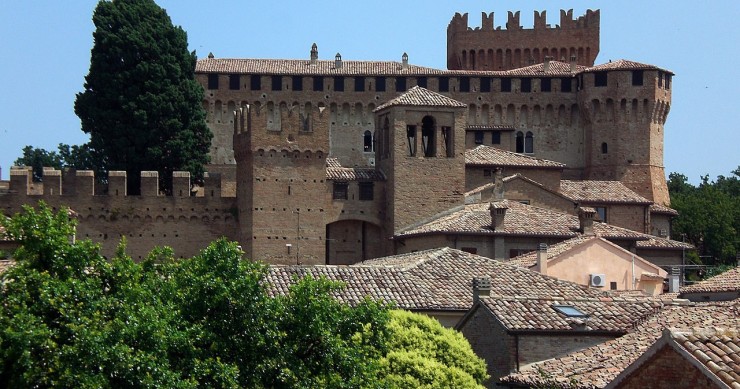
From restless ghosts to tragic love stories and dank dungeons, the most beautiful castles to visit for Halloween in Italy undoubtedly include the Castles of the Duchy between Parma and Piacenza, Montebello Castle with the legend of Azzurrina, the Gradara Fortress of Paolo and Francesca, the Lonato del Garda Fortress, and the San Giorgio Canavese Castle. Some are perfect for children, others are designed for those seeking a spooky experience.
Autumn at the spa: 10 Italian destinations not to be missed now

Autumn at Italy’s thermal baths: 10 destinations to visit

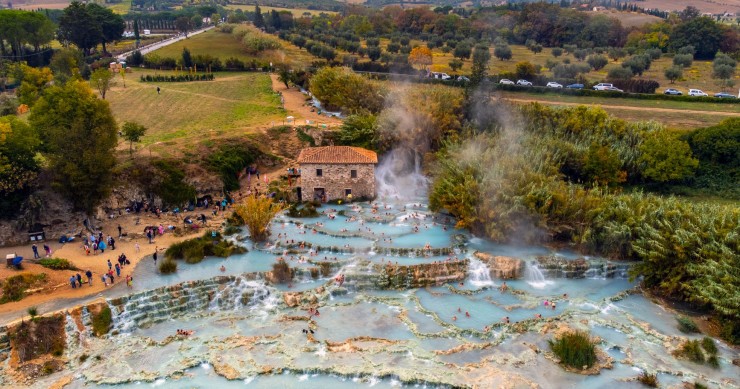
Why visit the thermal baths now? Crisp air makes the warm water feel even more comforting, autumn colours alter the scenery, and the summer crowds give way to a slower pace. Across Italy, natural pools and historic spa resorts become welcoming autumn retreats, with benefits for the respiratory system and skin. The choice comes down to the setting: untamed nature or full-service comfort.
Vittorio Square Turin

Italy’s largest square? 38,000 m² of arcades and history

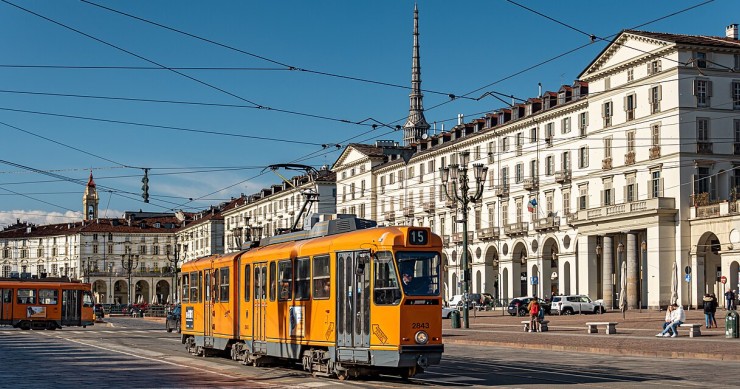
Piazza Vittorio Veneto is Turin's largest square, spanning over 38,000 square meters—enough to accommodate five regulation soccer fields, yet always bustling with people. In Turin, it's simply called Piazza Vittorio, and residents are keen to keep it simple: this square is part of the city's daily life, not just a postcard to show off to tourists.
highest refuges in Italy

Italy’s highest mountain refuges: sleeping above 4,000 metres

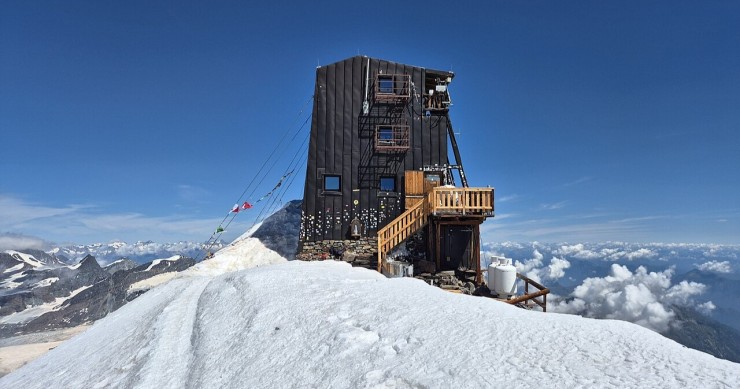
Falling asleep thousands of metres above sea level, with the stars seemingly close enough to touch and dawn turning the surrounding peaks pink, is possible. Italy’s highest mountain refuges provide a full immersion in high-altitude terrain, among glaciers, rocky faces and extraordinary views. But which shelters hold the altitude records in Italy? Here are the country’s five highest refuges, their stories and the key details for reaching them.
Lago di Vagli

Where is Tuscany’s Atlantis? The submerged village set to return

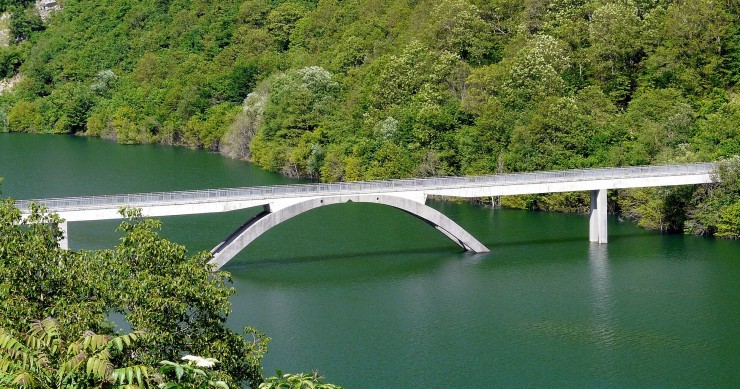
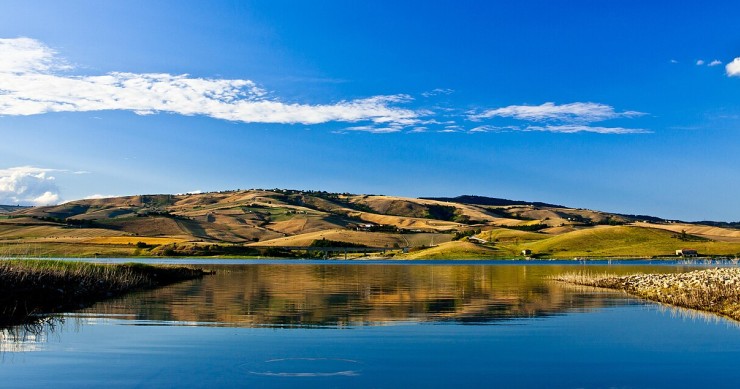
Tuscany really does have a medieval village that reappears at irregular intervals from the bottom of a lake. Tuscany’s Atlantis is not a legend. It is Fabbriche di Careggine, beneath the waters of Lake Vagli in Garfagnana. It last resurfaced in 1994, drawing more than one million visitors.
Frigento

This Campania village has views across five Italian regions

How many regions can fit into a single view? In Irpinia, the answer is a surprising five. In Frigento, a small hilltop town at 911 metres, a natural terrace makes it possible to see Campania, Puglia, Basilicata, Molise and Abruzzo at the same time. It is a particular distinction that makes this borgo an unusual case in Italy.
Nepi waterfalls

Three waterfalls near Rome hidden in a historic village

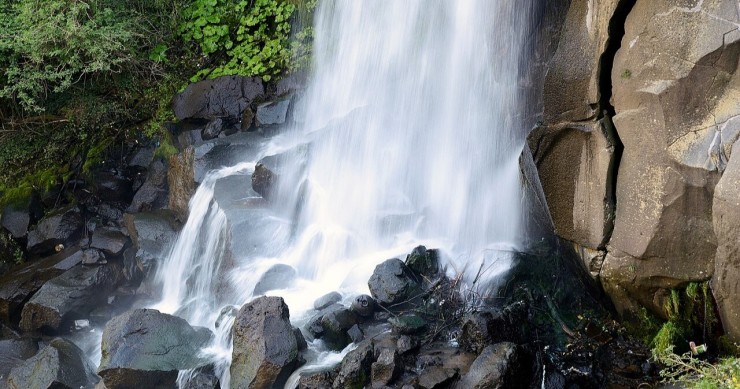
Less than an hour from Rome lies a town where water reigns supreme. It's Nepi, and the Etruscan etymology of its name means "water." The town sits on a tuff promontory surrounded by deep ravines, streams, and mineral springs that feed some of Lazio's most evocative waterfalls. So, what to know about the Nepi waterfalls, the Cascata del Picchio, the Cascata dei Cavaterra, and the Cascata del Pizzo, which offer tranquility and incredible views.
Lake Orta

The Italian lake that looks volcanic but was shaped by ice

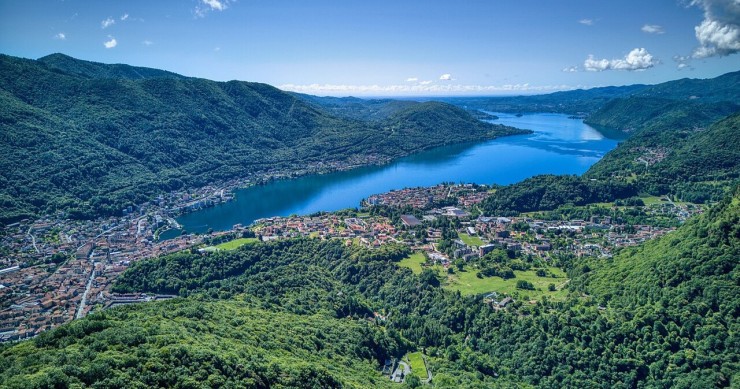
It looks like a volcanic lake, but it was shaped by ice. Lake Orta, west of Lake Maggiore, between the provinces of Novara and Verbano-Cusio-Ossola, packs an elegant waterside village, a tiny monastic island and a UNESCO-listed Sacro Monte into just a few kilometres. Two days are enough to combine scenery, art and a bit of peace and quiet without rushing, travelling on foot and by boat.